A building a house checklist should do more than remind you to choose cabinet colors. It should protect your budget, schedule, and future resale value before the first excavation begins. After years of reviewing residential scopes and contractor bids, I have learned that the expensive mistakes usually happen before construction starts. A rushed site decision, vague allowance, or oversized floor plan can cost far more than a fixture upgrade ever adds to the home.
If this were my own project, I would treat the process like a series of gates. The land must work. The financing must survive a realistic contingency. The plans must match the neighborhood and the way the household actually lives. Then the finishes should support durability rather than turn the home into a showroom that is difficult to sell later. Don’t renovate for applause. Renovate for the next offer.
Start with the lot, zoning, and true project cost
The first section of any building a house checklist is the property itself. Before signing a construction contract, confirm setbacks, easements, driveway access, utility availability, septic or sewer requirements, drainage, and local building restrictions. A $15,000 lot can become a poor bargain if it needs extensive grading, a retaining wall, a long utility run, or a new access road.
Ask for a written site-development estimate instead of relying on a casual conversation with the builder. Include clearing, excavation, foundation work, erosion control, utility connections, permits, surveys, engineering, landscaping, and temporary construction power. In many markets, these items can add $30,000 to $100,000 or more beyond the house package, depending on the site.
Your total budget also needs a contingency. For a straightforward build, 8% to 12% is a practical planning range; challenging soil, steep terrain, or incomplete plans justify more. Keep that reserve separate from your finish-upgrade money. Spending the contingency on a larger island in month one is how homeowners end up delaying gutters, fencing, or driveway work at the end.
Build a budget that reflects real life
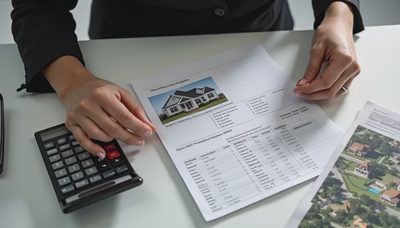
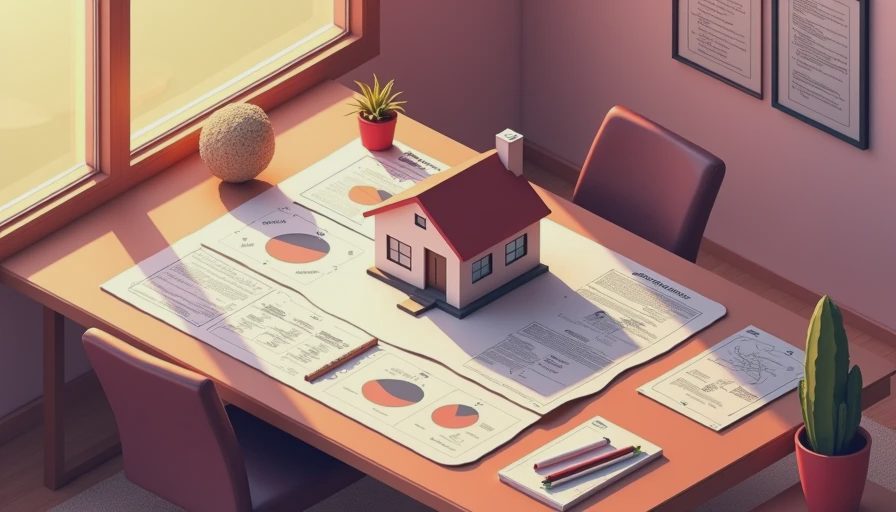
A building a house checklist is incomplete if it only lists the contract price. Track the cash required before closing and the costs that arrive after move-in. Architecture, plan modifications, permits, lender fees, inspections, construction interest, insurance, landscaping, window treatments, appliances, furniture, and moving expenses can all sit outside the builder’s headline number.
Request an allowance schedule with quantities and realistic prices. A $6,000 flooring allowance sounds useful until it covers only materials for 1,800 square feet and excludes installation, transitions, stair work, and disposal. The same problem appears with lighting, plumbing fixtures, countertops, appliances, and tile. Ask the contractor to identify what is included, what is excluded, and what triggers a change order.
I prefer three budget columns: committed cost, likely cost, and optional cost. Committed cost includes the signed scope. Likely cost covers predictable selections that are not finalized. Optional cost includes upgrades such as a second fireplace, built-in cabinetry, or a premium appliance package. When money gets tight, optional items are easy to postpone without damaging the project.
Design for the neighborhood and resale
The best floor plan is not necessarily the biggest one. Look at nearby homes and ask what buyers expect at your likely price point. A four-bedroom home with one cramped bathroom may show worse than a thoughtfully planned three-bedroom home with adequate storage and a useful primary suite. More square footage also creates more roof, flooring, heating, cooling, and maintenance expense.
Use this building a house checklist to test each room against daily routines. Is there a place for backpacks near the entry? Can groceries move from the garage to the kitchen without crossing the living room? Is the laundry room close to bedrooms? Does the kitchen have enough landing space beside the refrigerator and range? These practical details influence buyer confidence more than an elaborate ceiling treatment.
Plan outlets, lighting, internet wiring, attic access, and storage before framing. Adding them later is expensive and disruptive. Spend first on elements that are difficult to change: window placement, ceiling heights, room proportions, mechanical locations, waterproofing, and insulation. Decorative features can wait.
Control the contractor and construction schedule
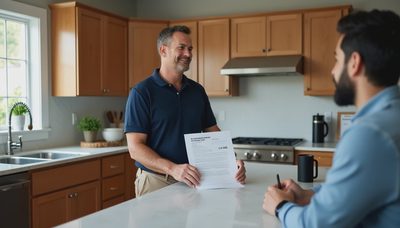
A building a house checklist should include contractor due diligence. Verify licensing requirements, insurance, references, and completed projects similar in size and finish level. Speak with recent customers, not only the two homeowners the contractor volunteers. Ask whether the final cost matched the original contract, how changes were priced, and how the builder handled delays or warranty repairs.
Compare bids by scope, not by the bottom-line number. One contractor may include site cleanup, gutters, mirrors, shower doors, and driveway work while another excludes them. A low bid with dozens of allowances can become the highest final cost. Your contract should explain payment stages, retainage if used, change-order approval, substantial completion, warranty terms, and the process for resolving defective work.
Build a selection calendar backward from the construction schedule. Windows, cabinets, trusses, doors, tile, and specialty fixtures can affect ordering and installation. A decision made late may create a rush charge or force a substitute. Keep a dated selection log with product names, colors, quantities, prices, and approval signatures.
Spend on systems before decorative upgrades
Water management and mechanical reliability are not glamorous, but they protect the sale. Confirm roof flashing, foundation drainage, grading, gutters, crawl-space or basement moisture control, HVAC sizing, duct sealing, and bath exhaust routes. Ask for photos of concealed plumbing, electrical, insulation, and waterproofing before drywall covers them.
Choose durable systems that fit the home rather than the fanciest products available. A properly designed HVAC system, quality windows, sensible insulation, and a well-built roof usually provide more long-term value than a luxury range or imported tile. Buyers may not compliment those choices during a showing, but inspectors and resale disclosures will expose shortcuts.
For finishes, use a consistent palette and control the upgrade count. Midrange quartz, reliable flooring, simple plumbing fixtures, and well-installed trim generally create a stronger impression than one dramatic feature surrounded by builder-grade compromises. If you spend $12,000 on a showpiece fireplace but leave basic lighting and unfinished landscaping, the overall result will still feel incomplete.
Finish with inspections, records, and a punch list
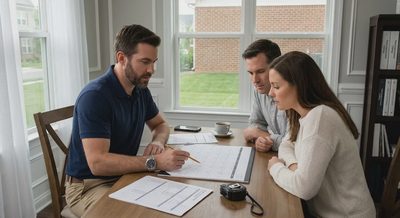
The final part of the building a house checklist is documentation. Schedule independent inspections at appropriate stages, including foundation or pre-pour, framing, rough mechanicals, insulation, and final completion. A municipal inspection confirms code compliance; it does not replace a private inspector who is working for your interests.
Before closing or final payment, test every outlet, appliance, window, lock, faucet, drain, thermostat, light, and garage door. Walk the property in daylight and after dark. Look for cracked tile, uneven flooring, paint overspray, sticking doors, missing caulk, drainage problems, and damaged cabinets. Photograph each issue and assign a deadline rather than accepting a vague promise to fix it later.
Collect warranties, manuals, permits, surveys, paint formulas, appliance receipts, HVAC records, and subcontractor contacts in one digital folder. Those records help with maintenance and reassure a future buyer. A clean handoff can support confidence even when the house is not the most expensive one in the neighborhood.
The smartest building a house checklist is ultimately a decision filter. It keeps the budget attached to function, durability, and buyer expectations instead of emotion. Spend heavily where mistakes are buried or expensive to correct, stay disciplined on visible upgrades, and leave room for the surprises every build produces. The question is not whether the home is nicer. The question is whether each dollar makes the project safer, more useful, or easier to sell.