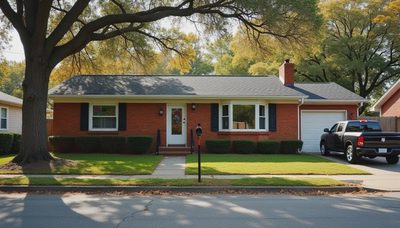
When sellers in Charlotte ask me about the best remodeling projects before selling, most of them are picturing a full cosmetic overhaul — new everything, top to bottom, six weeks of dust and a five-figure invoice. After eight years of running residential renovation projects and the last several advising sellers before they list, I can tell you the numbers rarely support that approach. What sells a house faster and closer to asking price is not visual drama. It's buyer confidence. A buyer who walks through your home and thinks "everything works, nothing needs money" will pay more than a buyer who is impressed but mentally deducting for an aging roof line or mismatched flooring.
My test is simple: What would I fix if this were my own listing next month? That framing kills half the wish list immediately. Below are the five upgrades that survive that test, over and over, in neighborhoods like mine north of Charlotte where Lauren and I are raising Noah and Sophia.
Why Small, Targeted Upgrades Outperform a Full Overhaul
Confidence compounds; dazzle doesn't. When a buyer opens your door and sees a fresh entry door, consistent flooring, and clean neutral walls, their brain shifts from "project planning" to "move-in imagining." That shift is worth real money because it removes the fear premium — the extra discount buyers apply for every unknown.
A full cosmetic overhaul, by contrast, spends heavily on things buyers assume they'll do themselves anyway, in their own taste. You pay contractor rates to impose your choices on someone who wanted different ones. In my bid-review days, I watched sellers spend 90,000 on whole-house refreshes in neighborhoods where the competing listings were winning offers with 18,000 of surgical updates. The expensive houses looked nicer. The modest ones often sold on comparable terms.
Here is the comparison I walk every client through:
Upgrade | Typical Budget Range | What It Actually Does |
|---|---|---|
Exterior refresh (entry door, garage door, paint touch-ups) | 9,000 | Builds trust before the buyer steps inside |
Flooring unification / carpet replacement | 12,000 | Removes the "money pit" feeling of choppy rooms |
Mid-range primary bath update | 14,000 | Signals the home has been maintained, not staged |
Lighting and hardware consistency | 4,000 | Quietly reads as "cared for" |
Whole-house neutral paint | 7,000 | Resets the space so buyers project their own life onto it |
Notice the mechanism column. None of these says "wow." All of them say "safe." That is the entire logic of high roi home improvements before sale — you are buying down the buyer's risk, not auditioning for a magazine. Over years of Charlotte listings, I have watched these five outsell their pricier neighbors because the best remodeling projects before selling rarely arrive as dramatic reveals; they arrive as quiet, verifiable freshness.
The Five Upgrades, One by One
1. The Exterior Refresh: Your Curb-Side Handshake
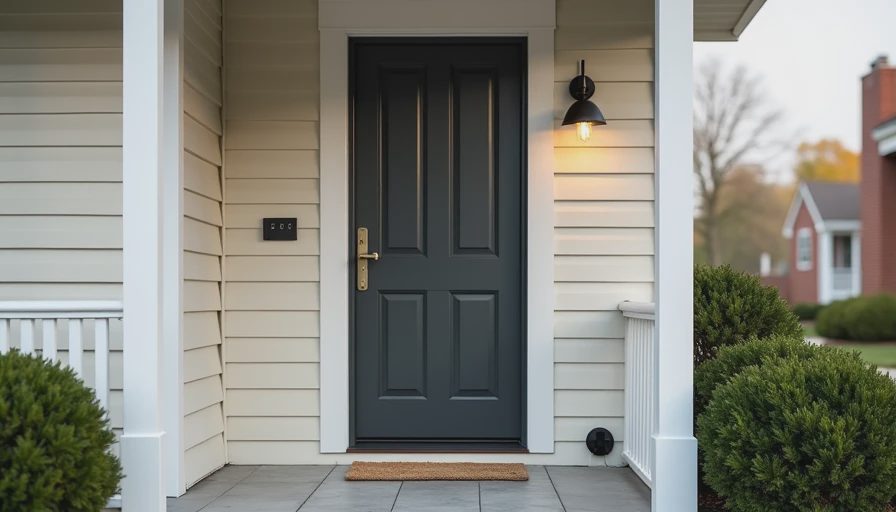
The front of the house sets the offer tone. Repainting or replacing the entry door, refreshing a dated garage door, and touching up peeling exterior paint costs a fraction of a full repaint and does most of the emotional work. Buyers decide in the driveway whether they like the house; everything after that is confirmation bias. A faded, dented garage door whispers "deferred maintenance" even when everything inside is pristine. Common over-scope mistake: full siding replacement when spot repairs and a repaint would do. Unless siding is genuinely failing, that money belongs elsewhere.
2. Flooring Unification and Carpet Replacement
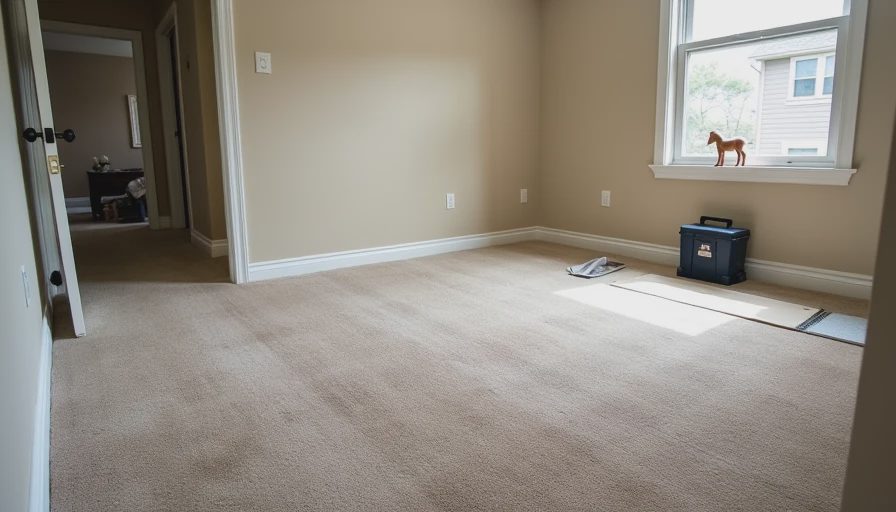
Nothing fragments a walkthrough like flooring that changes style every doorway. Pick one direction — usually refinishing existing hardwood where you have it and replacing tired carpet with a consistent neutral in the bedrooms — and hold the line on it. Budget roughly 8 per square foot installed for decent mid-range carpet and pad, more if you are extending LVP into wet areas. The over-scope trap here is refinishing floors that will be hidden under furniture anyway, or upgrading to materials priced above your neighborhood norm. If this were my listing, here's where I'd spend first among interior items, because buyers cannot unsee a floor.
3. The Mid-Range Primary Bath Update
Skip the luxury tier entirely. A reglazed or modestly replaced tub surround, a new vanity, updated faucets, fresh grout or re-caulk, and a frameless-feeling shower update land in the 14,000 range and change how the whole bedroom wing feels. The point is not a spa; the point is the absence of a project. When I plan the best remodeling projects before selling with clients, the bath is where I keep them disciplined — every dollar past mid-range quality is a dollar the next buyer will not pay back.
4. Lighting and Hardware Consistency
This is the cheapest confidence play on the list. Replacing mismatched boob lights, dated brass hardware, and builder-grade switch plates across the whole house typically runs 4,000 in materials and an electrician's day. Buyers never consciously notice consistent hardware. They consciously notice inconsistency. Stick to one finish — matte black or brushed nickel both read current in our market — and repeat it everywhere: hinges, knobs, faucets, light fixtures.
5. Whole-House Neutral Paint
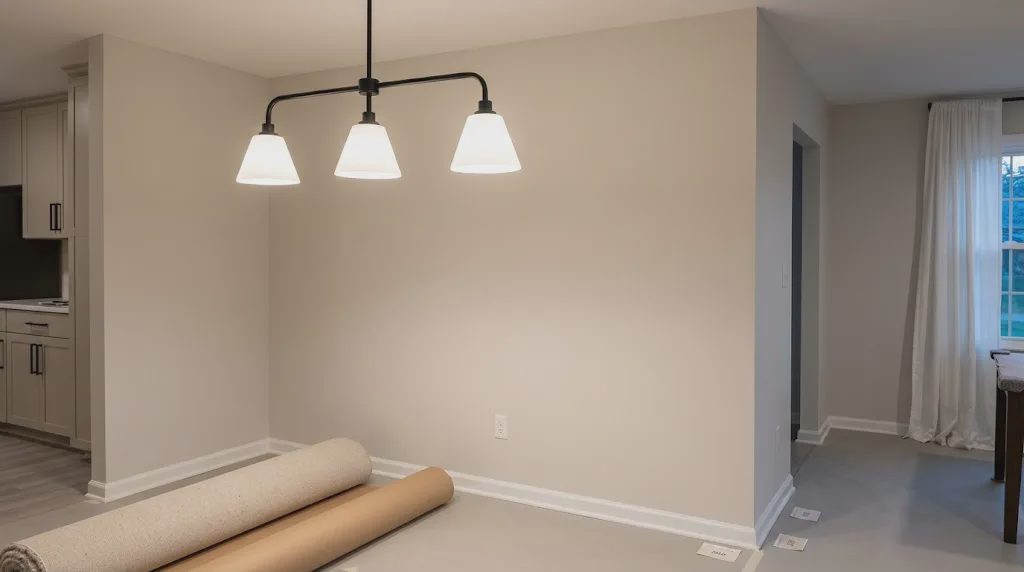
Paint is the highest-leverage dollar you will spend. Greige, warm white, soft sage — pick one neutral and paint the main living areas wall to wall, ceiling touched up, trim crisp. Budget 7,000 for 1,800 to 2,600 square feet depending on ceiling height and prep. The error I see most often is partial painting: doing the living room but not the connecting hallway, which just draws attention to the boundary. Paint the whole run of sightline or don't paint it at all. Buyer confidence matters before buyer compliments.
How to Sequence the Work Without Losing Your Mind
Order matters more than people expect. Run the sequence like a contractor would, because each step protects the one before it:
Exterior repairs and paint touch-ups first, while weather cooperates.
Flooring second, so new carpet never sees a paint drop cloth.
Bath update third, contained and dusty but isolated.
Lighting and hardware swap fourth, after walls are closed up.
Final paint last, covering every scuff from the steps above.
Pad every phase by a few days, and get three bids with written scope — not just a number — for anything over $2,000. In my project-management years, vague scope was where budgets went to die. The question isn't whether it's nicer. The question is whether it helps the sale.
What Not to Do Before You List
Do not start a kitchen remodel before selling a house. A 350,000 neighborhood returns a fraction of itself in a faster sale, and renovation timelines routinely run long right when you need photography scheduled. Do not replace windows that work for energy reasons alone mid-sale. Do not install luxury vinyl plank in a home whose comps all have hardwood. Every one of these is a confidence purchase for the seller, not the buyer. I tell clients what I would tell Lauren: we're not decorating for us anymore — we're removing reasons to negotiate. Don't renovate for applause. Renovate for the next offer.