If you are searching for 7 home fixes you must complete before selling, start with a resale question, not a renovation wish list: what will make buyers feel confident enough to write an offer? In my experience managing residential remodels, sellers often spend $25,000 on visible upgrades while ignoring a $1,200 repair that shows up in the inspection report. The better strategy is to remove objections, improve the first impression, and keep the scope appropriate for the neighborhood.
1. Repair leaks, water stains, and drainage problems
Water makes buyers nervous faster than almost any cosmetic flaw. Fix active plumbing leaks, replace failed supply lines, repair loose toilet seals, and investigate stains on ceilings or walls before listing. Do not simply paint over a brown ring. A buyer’s inspector can use a moisture meter, and a covered-up stain creates more concern than an honest, documented repair.
Walk the exterior after heavy rain. Clean clogged gutters, extend downspouts several feet away from the foundation, and correct soil that slopes toward the house. Gutter cleaning may cost $150 to $350, while downspout extensions and minor grading can often stay below $1,500. Those amounts are modest compared with the negotiating leverage a buyer can gain from suspected water intrusion.
If the roof is near the end of its useful life, get a roofer’s assessment and a written estimate. You do not always need a full replacement before selling, but you do need a clear plan and realistic pricing. Buyer confidence matters before buyer compliments.

2. Make the entry and exterior look maintained
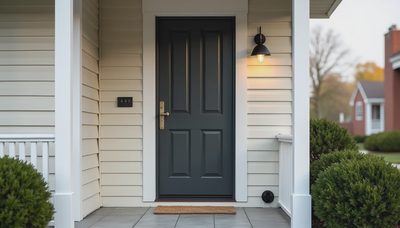
The front walk, porch, door, siding, and landscaping establish the buyer’s expectations before anyone sees the kitchen. Remove dead plants, trim shrubs away from windows, wash the siding, replace a damaged mailbox, and tighten loose handrails. A pressure-washing job might run $250 to $600; replacing a faded front door and hardware could cost $500 to $1,500 depending on the material.
Avoid turning this into a full landscaping project. Fresh mulch, defined planting beds, and a mowed lawn usually do more for a typical suburban listing than expensive stonework or mature specimen trees. If siding has a few damaged sections, repair and color-match them rather than replacing every wall. The question isn’t whether a new facade is nicer. The question is whether it helps the sale enough to justify the check.
For 7 home fixes you must complete before selling, exterior maintenance belongs near the top because every showing begins outside. Buyers often form an opinion before they consciously evaluate the home’s features.
3. Neutralize worn floors and damaged walls
Flooring gets judged through evidence: pet odor, swollen edges, deep scratches, cracked tile, and mismatched repairs. Have carpets professionally cleaned if they are sound. Replace carpet that is permanently stained or smells musty, especially in the main living areas. Mid-range carpet installation can cost roughly $2,000 to $5,000 for several rooms, while luxury vinyl plank may cost $5,000 to $12,000 depending on preparation and square footage.
Do not automatically choose the most expensive flooring. A durable, neutral product that flows through connected spaces usually presents better than three different materials selected room by room. Repair squeaks where practical, replace broken transition strips, and address soft spots before they become an inspection issue.
Walls need the same practical treatment. Patch nail pops and drywall damage, remove unusual accent colors, and repaint high-traffic areas where fingerprints and furniture marks are obvious. A warm white, soft greige, or light neutral color gives buyers room to imagine their own furniture without requiring a whole-house repaint.
4. Refresh the kitchen without rebuilding it
A dated kitchen can hurt a listing, but a complete kitchen remodel is one of the easiest ways to overspend. Start with function and cleanliness. Repair a drawer that will not close, replace broken cabinet hinges, tighten loose knobs, recaulk the sink, and remove old silicone around the countertop. If cabinets are structurally sound, painting them and installing simple hardware may deliver more useful visual change than new custom boxes.
A modest kitchen refresh might include cabinet paint, new pulls, a faucet, updated lighting, and a clean backsplash for $3,000 to $10,000. Replacing laminate counters can add several thousand dollars. These numbers depend heavily on layout, labor, and materials, so compare a detailed scope rather than accepting a one-line estimate.
Keep appliances clean and working. You usually do not need a premium Wolf or Sub-Zero package in an average neighborhood. A consistent, functional set from a mainstream brand is enough when the rest of the room is tidy. For this list of 7 home fixes you must complete before selling, kitchen work should be targeted at buyer hesitation, not personal taste.

5. Make bathrooms clean, dry, and functional
Buyers can forgive an older bathroom more easily than a dirty or poorly maintained one. Replace cracked caulk, regrout failing tile, fix a dripping faucet, tighten the toilet, and repair a weak exhaust fan. Check for soft flooring around the toilet and tub. A small bathroom refresh often costs $1,500 to $6,000 when the layout stays in place.
Use simple finishes that are easy to maintain. A new vanity, mirror, light fixture, and fresh paint can change the room without relocating plumbing. If the shower has widespread water damage, get professional advice before choosing surface repairs. Cosmetic work over a failing substrate is money spent twice.
Do not install elaborate tile, heated floors, or designer fixtures unless competing homes in your price range clearly demand them. The goal is for buyers to see a clean bathroom they can use immediately, not to create a magazine spread they will discount as expensive and fragile.
6. Address safety and inspection items early
Several small defects can make buyers wonder what else has been neglected. Replace missing smoke and carbon monoxide detectors, correct loose stair rails, repair broken steps, cover exposed wiring, and make sure electrical panels are accessible. Test GFCI outlets in kitchens, bathrooms, garages, and exterior areas. These are practical fixes, not decorating decisions, and they can prevent avoidable inspection negotiations.
Have the HVAC system serviced and keep the invoice. Replace an overdue filter, clear debris around the outdoor unit, and confirm that the system heats and cools properly. If the water heater is old, get its condition documented rather than assuming replacement is necessary. Likewise, service records for a newer roof, furnace, or air conditioner can reassure buyers when they review disclosures.
This is where 7 home fixes you must complete before selling becomes a risk-management plan. You are not promising that nothing will ever fail. You are showing that known problems were handled responsibly.
7. Control the project with a pre-listing checklist
Before hiring anyone, walk the property with a clipboard and divide findings into three groups: must repair, improves presentation, and skip. Must-repair items include leaks, unsafe stairs, active pests, damaged roofs, and nonworking systems. Presentation items include paint, flooring, lighting, and landscaping. Skip items include luxury upgrades that do not fit the home or local competition.
Request two or three bids with matching scopes. Each proposal should state materials, labor, permits, cleanup, start date, and payment schedule. A vague bid for “bathroom update” is impossible to compare with one that lists vanity, faucet, tile, plumbing labor, disposal, and paint. Avoid paying the entire amount upfront, and verify that contractors carry appropriate insurance for the work.
Schedule with breathing room. A two-week repair can become four weeks when a hidden leak, back-ordered fixture, or permit issue appears. Photograph completed work, save receipts, and give the listing agent a simple project file. If this were my listing next month, I would spend first on water, safety, systems, and surfaces buyers touch or inspect.
The best pre-sale work is rarely the most dramatic. It is the work that removes doubt while protecting your proceeds. Use 7 home fixes you must complete before selling as a filter, then adjust the scope to your house, price range, and likely buyer. Don’t renovate for applause. Renovate for the next offer.