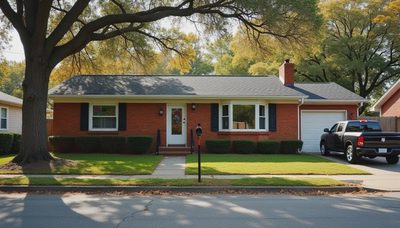
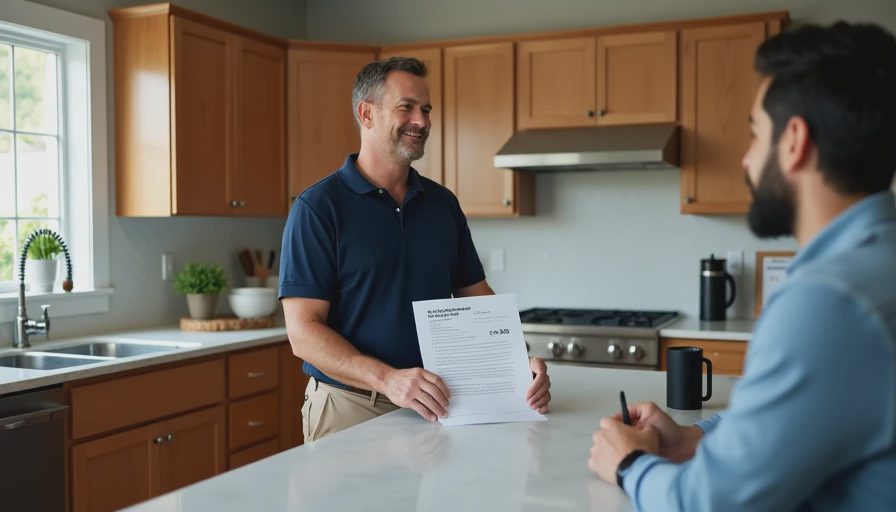
I spent eight years managing residential renovation projects around Charlotte — scheduling subcontractors, comparing bids line by line, and writing scope documents that kept jobs from ballooning. A few years ago I moved to the other side of the table: advising sellers on pre sale home renovation decisions before they list. This blog exists because of what I saw from both seats. The pattern is consistent, and it is expensive: most sellers don't need a big remodel. They need a smart one.
The projects that lose money are rarely reckless. They are usually well-intentioned upgrades built on the wrong logic — showroom logic instead of resale logic. My job, and the job of this blog, is to translate the second kind of logic into plain English before the first kind signs a contract.
The Mistake I Kept Watching Sellers Make
The most expensive sentence in any pre-listing budget is "buyers will love this." I heard it constantly during my project-management years, usually right after a bid landed that was thirty or forty thousand dollars heavier than the house could ever pay back.
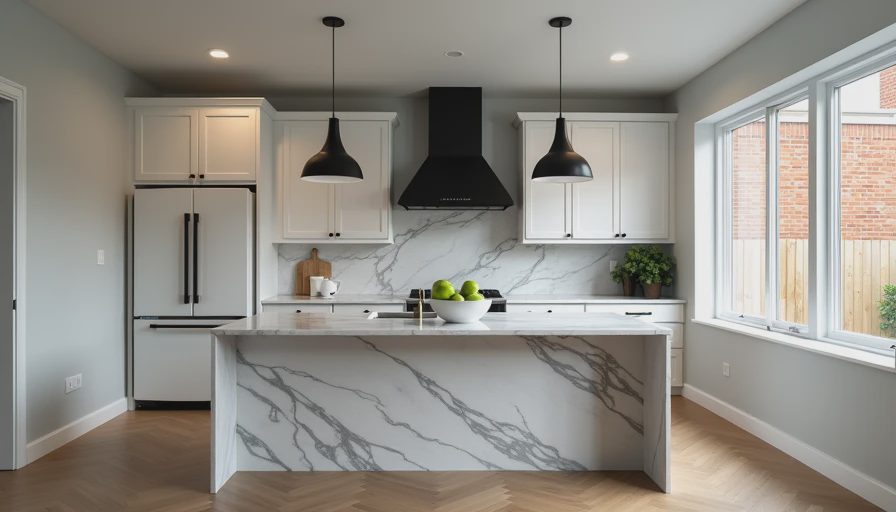
Here is how the pattern plays out. Sellers meet a contractor, tour a showroom, and get swept into the dream-kitchen pitch: custom hood, paneled refrigerator, waterfall quartz island. In a neighborhood where comparable sales top out around 50,000 to $70,000 or more. The buyers who tour the finished kitchen genuinely love it — and then offer based on the comps anyway. The appraisal never cared about the hood. That gap between what a project costs and what the market pays for it is where sellers quietly give away equity.
The alternative is smaller and far more effective. A midrange kitchen refresh — refaced or painted cabinets, new counters, hardware, lighting, and a fix for whatever genuinely doesn't function — usually lands between 30,000, and it does the heavy lifting with buyers. The first project answers the question buyers are actually asking: "has this kitchen been cared for?" The full gut answers a question nobody asked. Renovations before selling a house fail most often not because sellers spent too little, but because they spent on the wrong layer of the problem.
Where This Blog Stands: Anti-Waste, Not Anti-Renovation
Let me be clear about the position, because it gets misread: I am not the advisor who tells you to sell your house tired. Pre sale home renovation, done with discipline, is one of the more reliable ways to move a listing from "active" to "under contract" — and in a market like Charlotte, where buyers comparison-shop across dozens of similar suburban homes, a house that presents with fresh, coherent finishes gets taken more seriously.
What I oppose is spending without a resale thesis. My wife Lauren will tell you I run the same test on our own house in the north suburbs, usually while our kids, Noah and Sophia, are asking why the bathroom still hasn't been redone. The question I ask about any project — ours or a client's — is simple: what would I fix if this were my own listing next month? Not "what would photograph well." Not "what would the neighbors notice." Buyer confidence matters before buyer compliments.
So that is the line this blog holds. Don't renovate for applause. Renovate for the next offer.
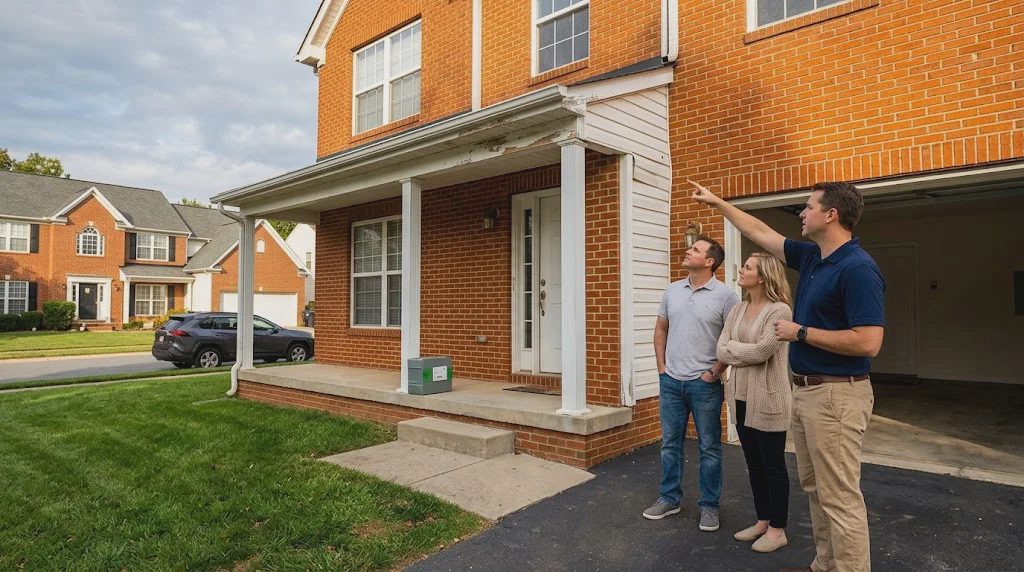
The Three-Question Test I Put in Front of Every Project
Every pre sale home renovation project has to pass three questions before I'd put a dollar behind it. If a project fails two of the three, it is a personal-preference project, not a pre-listing project — and there is nothing wrong with that, as long as everyone at the table knows which one it is.
Does it build buyer confidence?
Confidence is the real product. Buyers walking through a listing are managing fear: fear of the roof, the HVAC, the plumbing behind the walls. A 15,000 upgrade that adds style. Fresh caulk, a functioning door, a clean crawlspace access — these signal that the house has been maintained, and maintained houses get stronger offers.
Does it shorten time on market?
Days on market is a negotiating variable, not just a statistic. A listing that goes under contract in nine days sells from strength; one that sits for sixty days sells from weakness. Projects that resolve the two or three objections a buyer will have after a showing — the ones their agent writes down in the car — are the ones that compress the timeline.
Does it improve the offer?
This is where honesty matters. Some projects raise what a buyer will pay; others only raise the odds the buyer chooses your house over the one down the street. Both have value, but they are different values, and the budget should know which one it is buying.
Here is a plain-language version of how I frame common projects with sellers:
Project | Typical midrange range | When it earns its keep |
|---|---|---|
Interior paint, whole home | 8,000 | Almost always; it resets how old the house feels |
Kitchen refresh | 30,000 | Cabinets are sound but finishes date the home |
Bathroom updates | 18,000 per bath | Fixtures read as worn or aged, not just out of style |
Flooring replacement | 14,000 | Worn carpet or finishes that clash room to room |
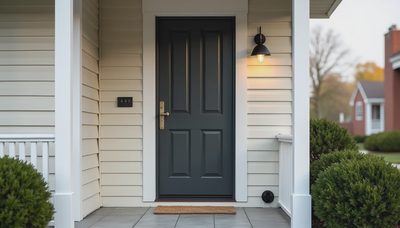
Exterior items (door, trim, siding repairs) | Varies with scope | Condition, not style, is what's hurting showings |
Treat those ranges as conversation starters, not quotes — every house and every bid sheet is different, and part of what I'll cover here is how to read your own.
What You Can Expect From This Blog
This is a working advisor's blog, not a design magazine, so the content will skew toward pre sale home renovation decisions, dollars, and paperwork. Specifically, three things:
ROI decision frameworks: how to rank competing projects when the budget doesn't cover everything, using resale logic instead of showroom logic.
Scope control: how to write a scope of work tight enough that a bid can't quietly grow, and how to spot the change-order language that lets it.
Contractor review: how to compare bids that don't cover the same work, what a legitimate line-item breakdown looks like, and which red flags I've learned to stop negotiating around.
My promise is narrow on purpose. I won't tell you what to love about your house — that's yours. I'll tell you what the next buyer is likely to pay attention to, what it typically costs to address, and where I'd spend first if the sign were going in the yard next month. That is the standard every post here will be measured against.