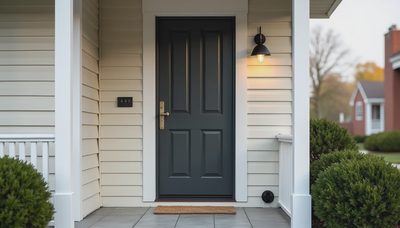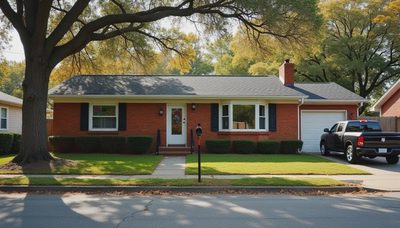
When you are preparing to sell, understanding appraisal value vs market value can keep you from spending thousands on the wrong improvement. These numbers are related, but they are not interchangeable. One is an opinion of value used by a lender, while the other reflects what buyers are willing to pay in the current market. If your renovation plan is based only on a contractor's promise that a project will “add value,” you could easily overbuild for the neighborhood.
I have seen this happen with kitchens most often. A homeowner spends $45,000 on custom cabinets, premium appliances, and stone counters, then discovers that nearby buyers are comparing the house with properties that have practical $20,000 updates. The expensive kitchen looks excellent, but it does not automatically create $45,000 of additional sale value. The question is not whether it is nicer. The question is whether it helps the sale.
What appraisal value actually measures
An appraisal is a professional opinion of a property's value, usually prepared for a mortgage lender. The appraiser evaluates the home's location, size, condition, design, features, and recent comparable sales. Those comparable properties, often called “comps,” are nearby homes with similar characteristics that sold recently. The appraiser adjusts the comparison for meaningful differences such as an extra bathroom, finished basement, garage, lot size, or major condition issue.
The appraisal is not a detailed estimate of every dollar you spent. If you paid $18,000 for a new roof, the appraiser does not simply add $18,000 to the home's value. A newer roof can improve condition, reduce buyer concern, and support a stronger comparison with well-maintained homes. It may also prevent a negative adjustment if competing houses have newer roofs. That is different from receiving a dollar-for-dollar return.
Appraisers also consider the market, but they do not measure buyer emotion in exactly the same way a listing agent does. A dramatic dining room, trendy tile, or highly personal paint color might impress some visitors without producing a reliable adjustment in the appraisal. Lenders want supportable evidence, not just attractive finishes.
What market value means to a seller
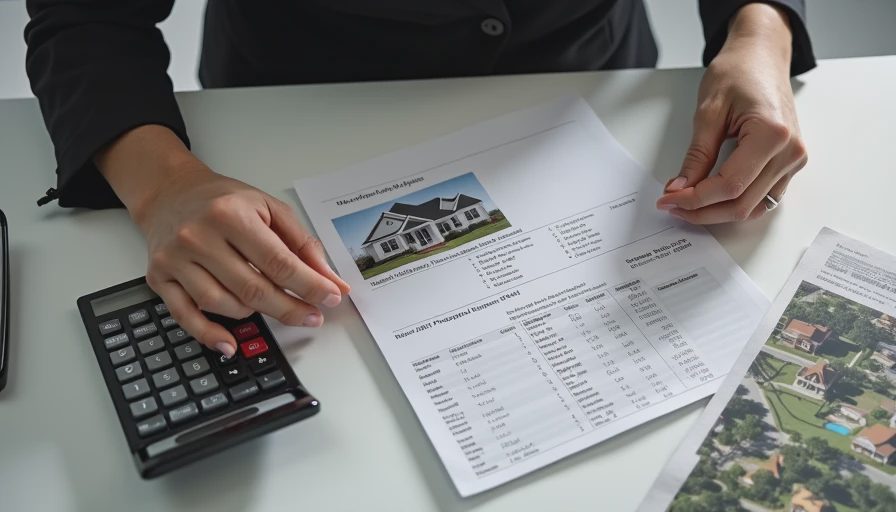
Market value is the price a reasonably informed buyer is likely to pay under current conditions, assuming the home is properly exposed to the market and neither side is under unusual pressure. In everyday selling conversations, this is the number shaped by buyer demand, competing listings, inventory, interest rates, location, timing, presentation, and negotiation.
That makes market value more flexible than appraisal value. Two similar houses can sell for different amounts because one is clean, bright, move-in ready, and photographed well, while the other has worn carpet, a stained deck, and an obvious repair list. Buyers are not just buying square footage. They are pricing the hassle, uncertainty, and cash they expect to spend after closing.
This is where modest improvements can matter. A $6,000 flooring and paint project might not create a $6,000 appraisal adjustment, but it can help a buyer feel comfortable offering $10,000 more than they would for a visibly tired house. It can also reduce the chance that the listing sits for weeks and requires a price reduction. Buyer confidence matters before buyer compliments.
Appraisal value vs market value during a contract
The difference becomes especially important after you accept an offer. Suppose your home is under contract for $425,000, but the appraisal comes in at $410,000. The lender may base the loan on the lower appraised amount. The buyer could bring additional cash, ask you to reduce the price, challenge the appraisal, or cancel if the contract allows it.
This does not always mean the buyer offered too much. The market may have moved quickly, or the best comparable sale may not capture the home's condition and improvements. However, a large gap creates a negotiation problem. If your listing price was supported by recent sales and the house was presented well, you have a stronger position than if the price was based on an ambitious renovation budget.
Before listing, ask your agent for a comparative market analysis and ask how the recommended price relates to actual closed sales. A comparative market analysis is not an appraisal, but it helps establish a pricing range using local market evidence. The strongest plan uses both perspectives: what buyers are likely to offer and what a lender is likely to support.
Which renovations support both numbers?
If this were my listing next month, I would spend first on condition, obvious defects, and surfaces buyers judge quickly. A sound roof, working HVAC system, reliable plumbing, dry basement, and functional electrical components protect the home's baseline value. These projects are not always glamorous, but they prevent buyers from discounting the property because they expect expensive repairs.
Next, I would look at flooring, interior paint, lighting, hardware, and the entry sequence. Replacing badly worn carpet with durable neutral flooring might cost roughly $4,000 to $10,000 depending on the house. Interior paint can range from $3,000 to $8,000 for a typical suburban home. Those projects often improve photographs, showings, and perceived maintenance without forcing you into a high-end design choice.
For kitchens and bathrooms, control the scope. Refinish or paint serviceable cabinets, replace damaged counters, update dated lighting, repair grout, and install simple hardware before considering a full gut renovation. A practical kitchen refresh in the $8,000 to $18,000 range may fit a middle-market neighborhood better than a $40,000 custom remodel. Appraisal value vs market value is easier to manage when the improvement matches nearby homes.

Why presentation can change the offer
A buyer usually notices condition before measuring the return on your renovation invoice. They see pet odors, crowded rooms, scuffed walls, dark hallways, stained grout, and deferred exterior maintenance within minutes. These details create a mental repair allowance. A buyer who thinks the house needs $15,000 of work may reduce an offer by more than the actual cost because they are also pricing inconvenience and risk.
Cleaning, decluttering, landscaping, and targeted repairs can therefore produce a better selling result than a dramatic upgrade. Removing excess furniture can make rooms appear larger. Trimming shrubs can reveal windows and improve the front elevation. Replacing a damaged garage door panel may matter more than installing an elaborate backsplash that many buyers will barely remember.
Do not renovate for applause. Renovate for the next offer. The best pre-sale work makes the home feel cared for, appropriately updated, and easy to own on day one.
A practical pre-listing value check
Start by requesting a local pricing opinion based on closed sales, active competition, and the home's current condition. Then walk the property with a contractor or experienced agent and separate safety issues, lender concerns, visible defects, and cosmetic preferences. Price each item with at least two realistic bids, including disposal, permits, touch-up work, and schedule risk.
After that, compare the likely project cost with three possible outcomes: a stronger offer, faster sale, or fewer inspection concessions. If a $12,000 repair package could prevent a $20,000 price reduction, it deserves serious attention. If a $35,000 luxury bathroom mainly gives you finishes that are unusual for the neighborhood, it probably does not.
Finally, leave enough time for the work to settle. A rushed renovation can create unfinished trim, missing permits, inconsistent paint, or inspection questions. Give yourself several weeks for corrections, professional cleaning, photography, and a final walk-through before listing.
The right way to use both values
Appraisal value vs market value should not be treated as a contest between one “correct” number and one “wrong” number. The appraisal helps determine whether the financing supports the contract. Market value helps determine what buyers will offer and how your home competes against alternatives. A successful sale needs both sides to line up closely enough for the transaction to close.
Use appraisal logic to avoid overpricing features that comparable sales do not support. Use market logic to improve the condition, presentation, and confidence that influence real buyers. If your budget is limited, fix the issues that create doubt before adding features that create compliments. That is usually the better resale strategy, and it keeps your renovation dollars working toward an offer instead of disappearing into a project that looks impressive only on paper.