In Charlotte's older mid-market neighborhoods, the most expensive renovations are almost always the ones sellers postpone. I spent eight years managing residential renovation projects around this city — coordinating crews on site, reviewing bids line by line, scoping work before a single nail got pulled — and for the past several years I have worked as a pre-sale renovation advisor, helping sellers pick the upgrades that actually return money at closing. Charlotte pre sale renovation is a niche where the numbers matter more than the finishes, and where timing matters more than taste. My wife Lauren and I live in a north-suburb neighborhood full of 1970s and 1980s ranches and split-levels — the same housing stock most of my clients own — so I see these houses as a neighbor first and a project second. When I walk a property with a seller, I ask one question out loud: what would I fix if this were my own listing next month? What follows are the answers that, in my experience, tend to come up too late.
The Pattern in Charlotte's 1970s and 1980s Neighborhoods
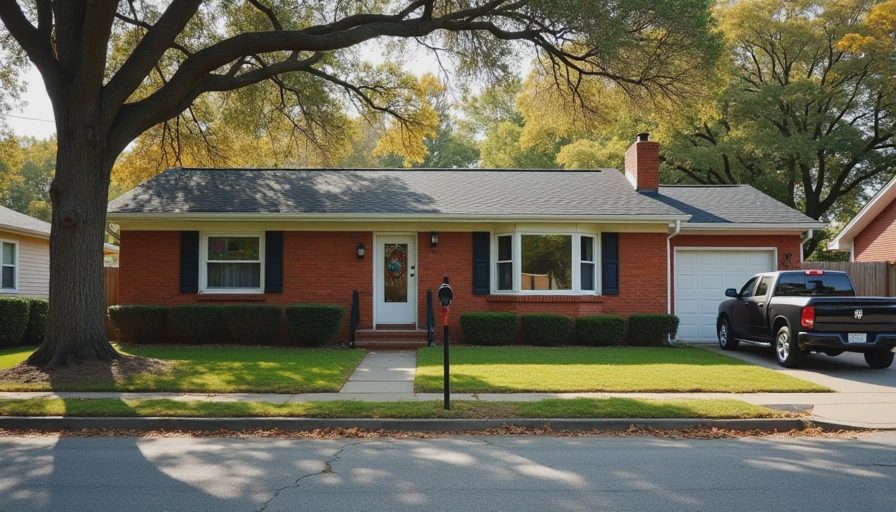
Sellers fix what buyers notice at the open house and defer what buyers cannot see — and for resale purposes, that instinct is exactly backwards. I have walked dozens of ranches and split-levels built between the early 1970s and mid-1980s across Charlotte's older mid-price communities, and the deferred items on the punch list are almost always the same:
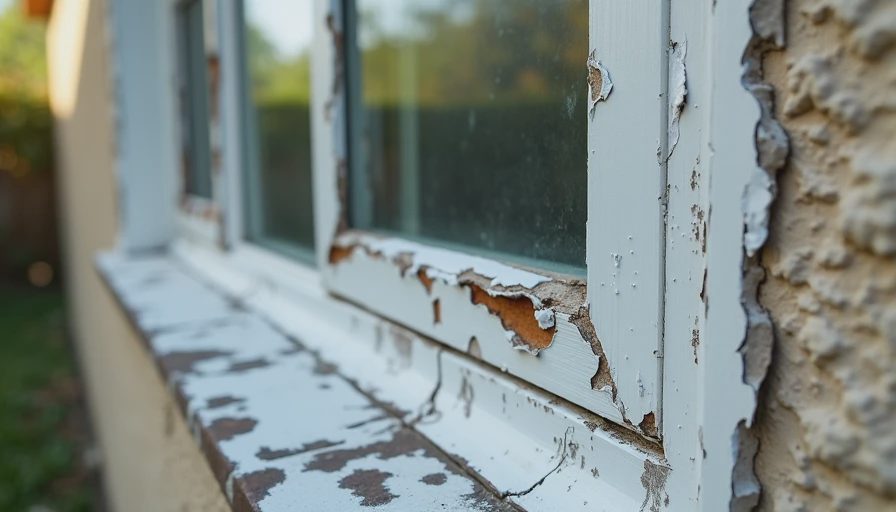
Original aluminum or single-pane windows with chalky, peeling paint on the exterior frames
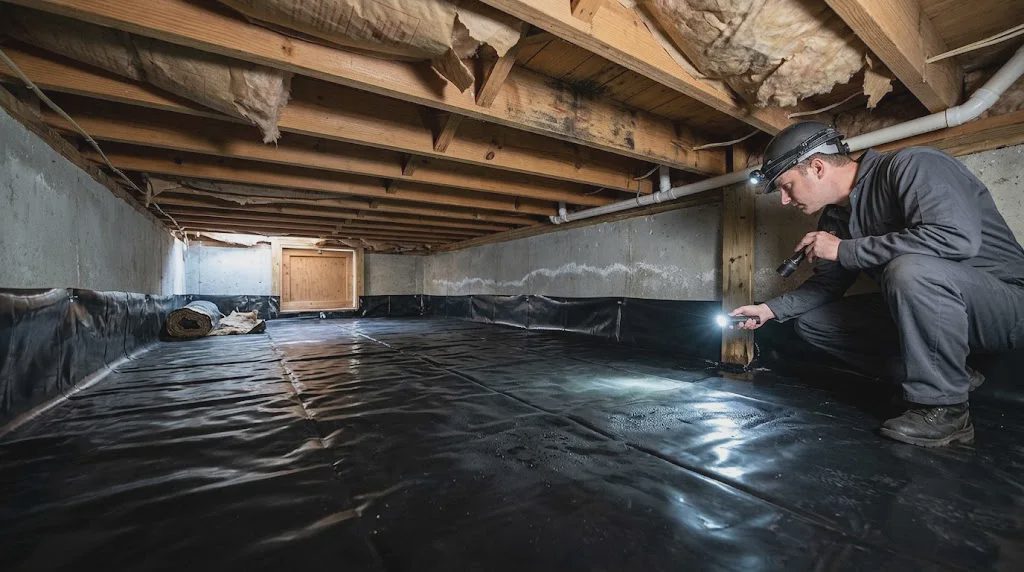
Crawl space moisture — heavy air, insulation that has sagged away from the subfloor, a faint musty odor in the rooms above
A roof at or past the tail end of a 20-to-25-year shingle life
An outdated electrical panel, sometimes a model that inspectors and insurers flag on sight
A driveway with settlement cracks and edge spalling along the control joints
An HVAC system pushing 15 years or more, still running but with no service history on paper
None of these are hard to find. A licensed inspector will document every one of them inside a two-hour visit, and half the street could point at that driveway from the curb. The reason they get fixed late is not detection — it is psychology. Repainting the front door feels like visible progress; spending four figures on plastic sheeting under the floor feels like paying for nothing. So sellers spend the cosmetic money first, list the house, and then the inspection report lands and reframes every invisible system as leverage for the buyer's side of the table.
What to Handle 60 to 90 Days Before Listing
The calendar is the first constraint in any Charlotte pre sale renovation plan, because roofers, electricians, and HVAC crews in this market are commonly booked three to six weeks out — longer once spring starts. Anything that requires a permit, a crew, or a follow-up inspection needs to begin 60 to 90 days before the photo shoot, not the weekend after the sign goes in the yard.
Fix these before the photographer shows up
Three items consistently earn their cost back in buyer confidence:
Crawl space remediation. A sealed vapor barrier, corrected venting or a dehumidifier, and re-secured insulation typically runs 8,000 depending on access and square footage. It kills the musty odor at its source, and the before-and-after photos become an asset inside the disclosure packet.
An electrical panel replacement, if the existing one is outdated or already on an inspector's watch list. A like-for-like panel swap usually lands between 4,000 installed and permitted. It erases a red-flag line item that buyers' agents tend to circle first.
A roof in its final years. On a typical 1970s ranch, full replacement commonly runs 16,000 depending on pitch, squares, and how many layers come off. If the shingles realistically have three or more serviceable years left, do not replace it — order a roof condition letter instead and price the house accordingly.
When a report works harder than a repair
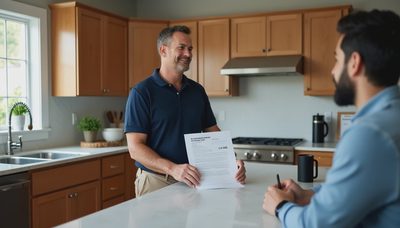
Not every aging system deserves a five-figure invoice, and a real part of my job is talking sellers out of wasted work. Here is the decision table I walk through with clients at their kitchen table:
Item | Typical cost to fix | Documentation alternative | My usual call |
|---|---|---|---|
Roof with 3+ years left | 16,000 | Roof condition letter, roughly 300 | Document and disclose |
Outdated or flagged panel | 4,000 | None that satisfies inspectors or insurers | Replace before listing |
Crawl space moisture | 8,000 | Moisture readings logged over several weeks | Remediate before listing |
HVAC at 15+ years, still working | 12,000 | Full service visit with written report, 400 | Service, certify, disclose |
Driveway cracks | 2,500 | Cleaning and crisp edging only | Cosmetic repair only |
Peeling window frames | 600 per window repaint | Repaint street-facing elevations only | Repaint the front only |
The pattern inside that table is simple: fix the items that touch safety, water, or insurance, and document the items that are merely old but still doing their job.
Why Inspection Week Is the Most Expensive Time to Negotiate
A repair found during due diligence always costs more than the same repair done before listing — not in contractor dollars, but in negotiation dollars. When an inspector hands a buyer a report listing a flagged panel and a damp crawl space, that buyer does not price the fix at contractor rates; they price it at worst-case rates, plus hassle, plus the fear of whatever else might be hiding behind the drywall. In my years of Charlotte pre sale renovation advising, a 7,000 credit demand, and occasionally into a terminated contract over a single weekend.
Pre-emptive work flips that dynamic. When I can hand a buyer's agent a permitted panel replacement record, a crawl space invoice with photos, and an HVAC service report dated within the last 90 days, the inspection conversation shrinks from "what else is wrong with this house" down to "the sellers stayed ahead of it." That is the quiet answer to the question of what to fix before listing a home: fix the things that make an inspector's report shorter, and let the kitchen granite argue for itself.
How I'd Prioritize If This Were My Own Listing
If this were my listing, here's where I'd spend first: safety and systems, then moisture, then curb appeal, with cosmetics dead last. That order held up across every project file from my eight years of construction management, and it holds up on my own street, where I can walk the block with Noah and Sophia on a Saturday and name the roofs that will show up in inspection reports within a few years.
Here is the sequence I would actually follow on a 1970s ranch in this part of town:
Order a pre-listing inspection first — budget 500 for an honest punch list
Replace the panel if it is flagged, and pull the permit properly
Remediate the crawl space and photograph every square foot
Service and certify the HVAC, then keep the paper trail with the disclosures
Repaint the street-facing window frames and the front door
Spend whatever budget remains on staging and deep cleaning, not on a new kitchen
I am anti-waste, not anti-renovation. The housing stock in these neighborhoods does not need to be gutted; the bones are solid, the floor plans work, and buyers here already know it. What a listing needs is a house whose systems tell a boring, well-documented story on inspection day. Don't renovate for applause. Renovate for the next offer.