If you are preparing to sell, bath addition cost deserves a closer look before you call the first contractor. Adding a bathroom can solve a real floor-plan problem, especially in an older suburban home with one full bath serving several bedrooms. But it is also an easy project to overbuild. A new bathroom that costs $80,000 does not automatically create $80,000 of additional market value. The right question is not whether the room would be nicer. It is whether the improvement helps the next buyer make an offer.
For a typical U.S. home, a basic half-bath addition often costs about $15,000 to $30,000 when plumbing is nearby and the space is already conditioned. A modest full bathroom can run $35,000 to $65,000. Converting unfinished basement, garage, or attic space can push the project to $50,000 to $100,000 or more once insulation, permits, structural work, ventilation, and utility relocation enter the scope.
What Drives Bath Addition Cost
Plumbing is usually the first major variable. A powder room built beside an existing kitchen, laundry room, or bathroom may use nearby drain and water lines. That can keep labor manageable. A bathroom on the opposite side of the house may require long pipe runs, concrete cutting, ceiling removal, or a sewage ejector pump. Each condition changes the estimate quickly.
The room itself matters just as much. A 20-square-foot powder room needs a toilet, compact sink, lighting, exhaust fan, flooring, drywall, trim, and a door. A full bath needs a tub or shower, waterproofing, more tile, more electrical work, and often stronger ventilation. If a contractor proposes moving walls, enlarging windows, reinforcing floor framing, or installing a new water heater, those are not minor line items.
Location also changes pricing. Labor in Charlotte suburbs, Atlanta, Dallas, and other growing markets may differ substantially from costs in high-cost coastal cities. Materials create another spread. A $250 vanity and stock mirror can serve a resale project well, while a custom vanity, imported tile, frameless glass enclosure, and premium fixtures can add thousands without changing the buyer's basic reaction.
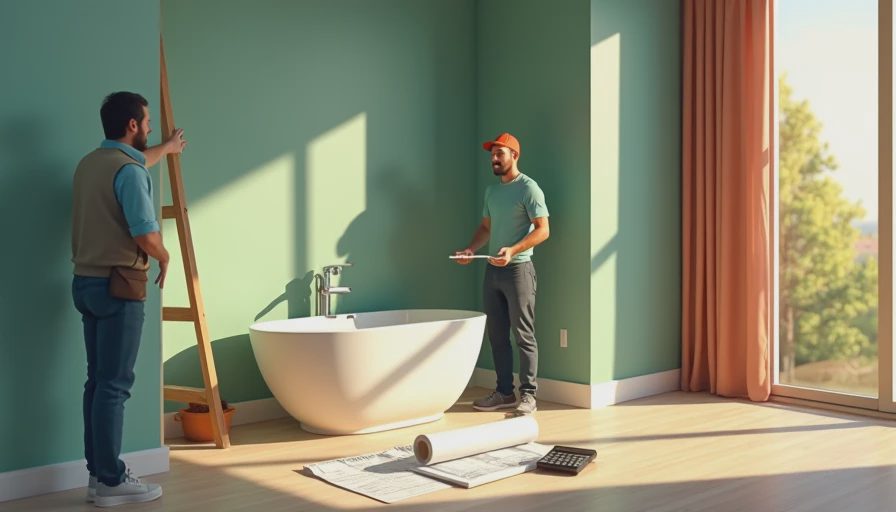
Get at least three written bids, but compare scope rather than just the bottom number. One bid may include permits, painting, cleanup, and finish hardware while another includes only rough plumbing and installation. Ask each contractor to identify allowances for tile, fixtures, lighting, and cabinetry. A low allowance can make an estimate look attractive until you select ordinary products and discover a $6,000 change order.
When an Addition Makes Sense Before Listing
A bathroom addition is strongest as a pre-sale project when it corrects a clear functional weakness. A four-bedroom house with one bathroom can lose buyers because morning routines are difficult. A first-floor powder room can matter to older buyers, guests, and families who do not want visitors using an upstairs bathroom. A private primary bath can improve appeal when competing homes in the same neighborhood offer one.
Look at comparable listings before committing. If most nearby homes have two and a half baths, moving from one and a half to two and a half may improve buyer confidence. If your home already matches the local norm, adding another bathroom may be a luxury rather than a necessity. Buyers compare your house with alternatives, not with the renovation dream you had five years ago.
I also consider timing. A bathroom addition can take six to twelve weeks after design, permitting, ordering, and scheduling are included. Hidden framing or plumbing problems can extend that timeline. If you plan to list in four months, a smaller cosmetic refresh may be safer than starting a complicated addition. Buyer confidence matters before buyer compliments.
How to Control the Budget
Start with the smallest layout that solves the problem. For a powder room, a wall-hung or narrow vanity, standard toilet, simple mirror, and durable porcelain tile can look clean without custom work. In a full bath, a 60-inch alcove tub or standard shower kit is typically easier to install and replace than an unusual size. Choose products that are available through common suppliers such as Kohler, American Standard, Delta, or Moen rather than waiting for specialty imports.
Spend first on waterproofing, ventilation, plumbing quality, and a professional finish. These items protect the sale and reduce inspection concerns. Save on decorative tile patterns, heated floors, elaborate niches, and designer faucets. A neutral wall color, consistent metal finish, and bright layered lighting usually do more for showings than a dramatic feature wall.
If this were my listing next month, I would rather have a properly permitted $28,000 powder room than an unfinished $55,000 bathroom with an aggressive design. The room needs to feel intentional, not expensive for its own sake. Don’t renovate for applause. Renovate for the next offer.

A Practical Resale Comparison
Suppose a seller has $40,000 available. One option is a $40,000 full bath addition in a distant corner of the basement. The other is a $12,000 refresh of the existing hall bath, a $10,000 flooring replacement in the main living areas, and $18,000 reserved for exterior repairs, paint, and landscaping. The first choice creates a new feature. The second may improve more photographs, more inspection comments, and more of the buyer's walking experience.
That does not mean the addition is wrong. If the house has three bedrooms and only one full bathroom, the functional benefit can justify the work. If the existing bath is already clean and competitive, the larger budget may have a better resale use elsewhere. Bath addition cost should be evaluated against the whole property, not in isolation.
Ask your real estate agent for recent comparable sales and request an honest answer: Would buyers in this price range pay more for another bath, or would they simply expect the house to have one? Also ask whether the project could make the home harder to appraise if the neighborhood does not support the finished value.
Contractor Questions and Final Decision
Before signing, confirm who pulls permits, who performs electrical work, how waterproofing is documented, and whether cleanup is included. Request proof of insurance and references for similar bathroom additions. The contract should describe fixtures, tile quantities, paint, trim, ventilation, inspection responsibilities, payment stages, and the process for change orders.
Be cautious when a contractor gives a very broad range without explaining assumptions. A credible proposal should tell you why bath addition cost is projected at a certain level and which conditions could raise it. Keep a contingency of roughly 10% to 15% for concealed problems, particularly in older homes.
The best pre-sale decision is often a focused addition with ordinary, durable finishes and a strict ceiling on extras. If the project solves a missing-bathroom problem, fits the neighborhood, and can finish well before listing, it may be worthwhile. If it requires major structural work or consumes money needed for roof, flooring, paint, or repairs, pause first. The question is whether it helps the sale. In many homes, the smartest bath addition cost is the amount that fixes function without turning a resale project into a custom remodel.