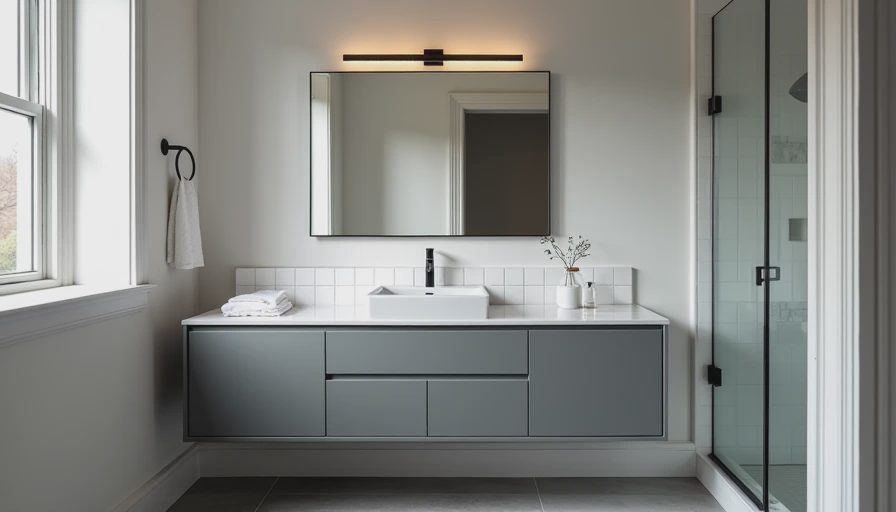
When I preview a house the week before it lists, the primary bathroom is the second room I walk into, right after the kitchen. In a Charlotte sale, the bathroom tells buyers whether this home was maintained or merely occupied. That's why I keep steering sellers toward bathroom updates before selling, even when the budget is thin. You don't need a spa. You need a bathroom a buyer can imagine using for the next five years without scheduling their own contractor. I'm Ryan Caldwell, a pre-sale renovation advisor based in Charlotte, North Carolina. I spent eight years managing residential renovation projects — coordinating crews, reviewing bids, and scoping the work — before I moved into consulting sellers on what to fix before listing. I've walked hundreds of these bathrooms, and the same pattern shows up every time.
What "Clean and Current" Actually Means to a Buyer
Buyers ask two questions in any bathroom: is there mold, and does this look dated? Answer both with modest work and you've removed the two biggest objections in the room. Most sellers overthink this. They worry about tile colors and shower glass when the visible problems are usually grout lines, caulk, and hardware finish.
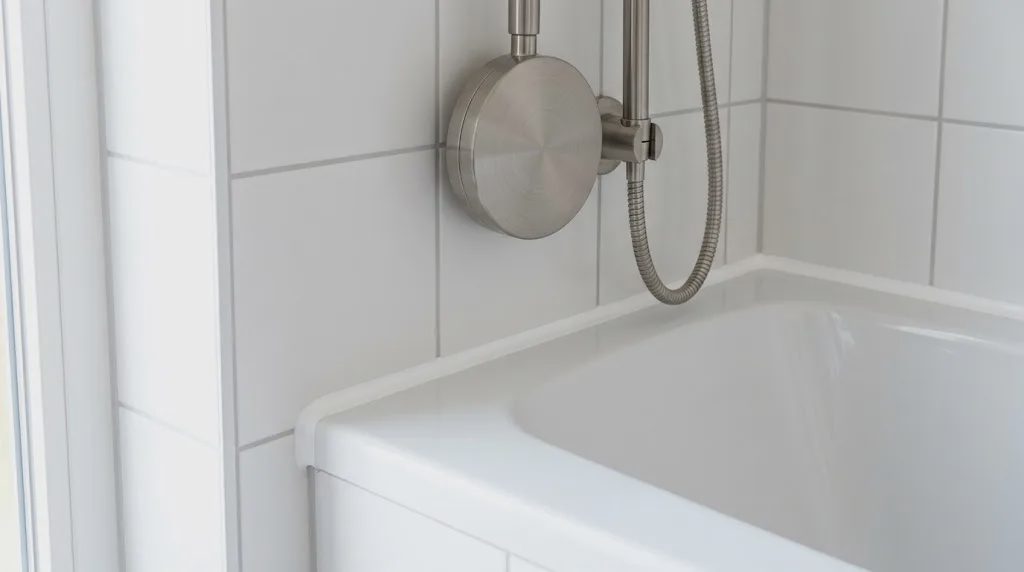
The grout and silicone come first. Mildew-stained caulk and cracked grout read as "this house leaks" even when the plumbing is fine. Re-caulking a tub and shower with white silicone and spot-regrouting the wet walls typically runs 600, depending on the size of the bath. It's two days of work that removes the single biggest visual objection in the room.
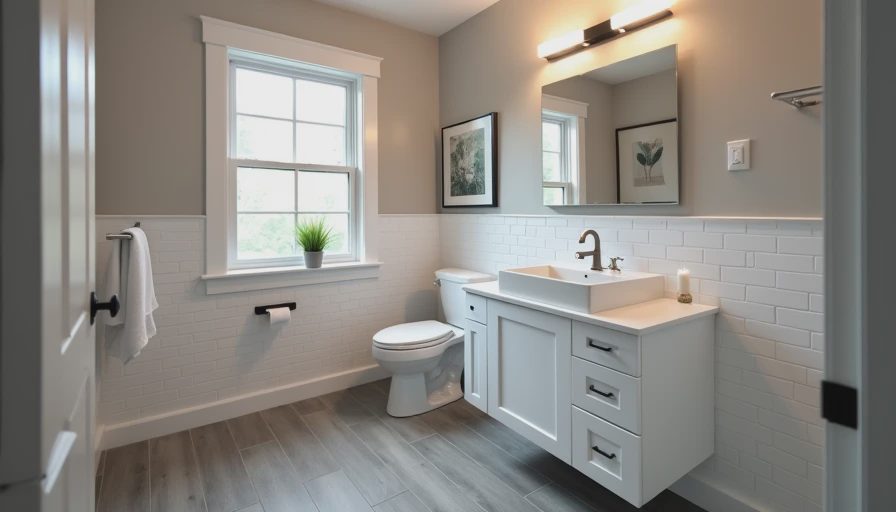
Then the toilet. Buyers notice a wobbly or dated toilet faster than almost anything else, because they stand directly in front of it. A new elongated two-piece in white runs roughly 600 installed, and it reads instantly as "someone replaced things." If the bowl rocks, fix the flange and reseat it first — that's often a $50 repair.
Hardware finish is the third tell. Mixing oil-rubbed bronze hinges with chrome faucets signals that the bathroom was patched together over fifteen years. Pick one finish — brushed nickel and matte black are the two holding value in Charlotte right now — and swap the faucet, showerhead, towel bars, and switch plates to match. That's 400 that brings the whole room into agreement.
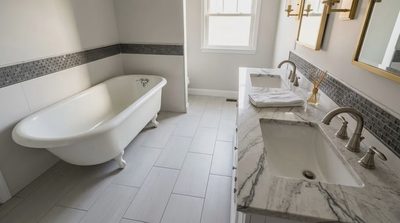
The last two items are the vanity top and the lighting. A one-piece integral sink or a clean, seamless top with a single faucet hole photographs well and wipes down easily; budget 1,500 for the swap. A new mirror with a modern vanity bar or sconce above it runs 400 and changes the mood of the room more than any other single purchase.
That's the entire clean-and-current standard: no mildew, no wobble, one finish, a top that wipes clean, and light that flatters the room. Nothing in it is luxury. Everything in it is maintenance made visible. When I plan bathroom updates before selling with a client, this is the list I start from.
The Refresh Rang e vs. the Full Gut Range
For a pre-sale refresh, the money question is where your project sits between a light refresh and a full gut. A mid-range refresh in Charlotte — new top, new fixtures, new toilet, lighting, paint, and fresh caulk — runs roughly 12,000 and takes one to two weeks. A full gut renovation — removing everything, new plumbing rough-ins, new tile, new vanity and shower — runs 35,000 or more and takes three to six weeks, with the bathroom out of service for most of it.
Here's the comparison I walk sellers through most weeks:
Line Item | Mid-Range Refresh | Full Gut Renovation |
|---|---|---|
Typical cost (Charlotte) | 12,000 | 35,000+ |
Timeline | 1–2 weeks | 3–6 weeks |
Bathroom availability | Mostly usable | Out of service |
What buyers perceive | Clean, current, maintained | Brand-new everything |
Payback risk in mid-market | Low | Moderate to high |
The gut fails on pre-sale math for one reason: the appraisal. In a mid-market subdivision, your bathroom competes against neighbors who did refreshes, not guts. An appraiser working from comparable sales rarely gives a $25,000 gut its money back, because the comps don't support it. Buyers at this price point also tend to prefer a price adjustment over a big remodel, so a gut can price you out of your own range. For most Charlotte sellers, the right bathroom updates before selling match the neighborhood rather than lead it. That's the same logic I apply when I walk a client through pre sale home renovation planning: spend where the buyer looks first, and stop before the scope grows past the comps.
A gut is justified in exactly one scenario: the bathroom has real problems a refresh can't hide. Water damage behind the shower walls, a toilet flange rotting into the subfloor, or a layout that blocks the door from opening. Fix the function first and keep the finishes conservative. That's a repair, not an upgrade, and it protects the sale more than any finish choice.
The Low-Cost, High-Perception List
Most of the perception gain in a bathroom sale comes from items under $800 each. When sellers rank their worries, they point at the expensive items — the tile, the tub. Then I show them this list and the priorities rearrange:
Re-caulk the tub and shower, spot-grout the wet walls: 600
Replace the toilet: 600 installed
New faucet, showerhead, towel bars, and switch plates in one finish: 400
New mirror with a vanity bar or sconces: 400
One-piece or seamless vanity top: 1,500
Repaint the room in a light neutral, satin or eggshell: 400
New exhaust fan grille and a cleaned fan: 150
Deep-clean the floor and scrub the grout: 200
That entire list lands between 4,800, which is less than half of a modest gut and produces most of the buyer reaction. The flip side is real too: some projects cost more and move a buyer less. Here's the contrast I draw on my whiteboard:
Low-Investment, High-Perception | High-Investment, Low-Perception |
|---|---|
New showerhead and trim | Full shower rebuild with niche and bench |
Replace the vanity top and faucet | Custom double vanity with slab quartz |
New mirror light and sconces | Recessed lighting retrofit with dimmers |
Clean and re-caulk the tub | Soaking tub replacement with new surround |
Regrout the floor | Heated tile floor |
For a typical pre-sale home, the highest-leverage bathroom updates before selling are the ones on the left. If this were my listing, here's where I'd spend first: the left column, every time, until the room reads clean and current. Then I'd stop.
Where I Stop: The Over-Scope Trap
The expensive mistake in pre-sale bathroom work isn't doing too little — it's doing the wrong expensive thing. In a Charlotte mid-market home, spa features are money you won't see again. Heated floors, a soaking tub that swallows the whole alcove, a steam shower with a bench and niche — these are lovely rooms to live in and nearly invisible on an appraisal. Your buyer at this price point didn't walk in expecting a spa. They walked in checking whether they'd have to touch anything.
I frame every recommendation the same way I have since my project-management days: what would I fix if this were my own listing next month? The answer is almost always the caulk and the toilet, not the tub. When I consult on pre sale home renovation scopes, I hold sellers to that standard and stop the moment a project stops helping the sale.
Don't renovate for applause. Renovate for the next offer.
That sentence is the whole philosophy. Applause comes from features; offers come from confidence. A buyer who trusts that the bathroom was maintained makes a clean offer. A buyer who's worried about the caulk asks for a credit. The renovation that wins is the one that answers the questions your listing will actually get.
Two practical notes before you start. Pull permits for anything structural, keep your receipts, and if a plumbing change is involved, hire a licensed plumber and check the work before the wall closes. In eight years running jobs in the Charlotte area, rework after the fact always cost more than the inspection would have. And keep the standard personal: my wife Lauren and I maintain the bathroom our kids Noah and Sophia use daily to the same level I recommend to sellers. It isn't the nicest bathroom on the street. It's the one you don't have to fix. That's the whole goal.