
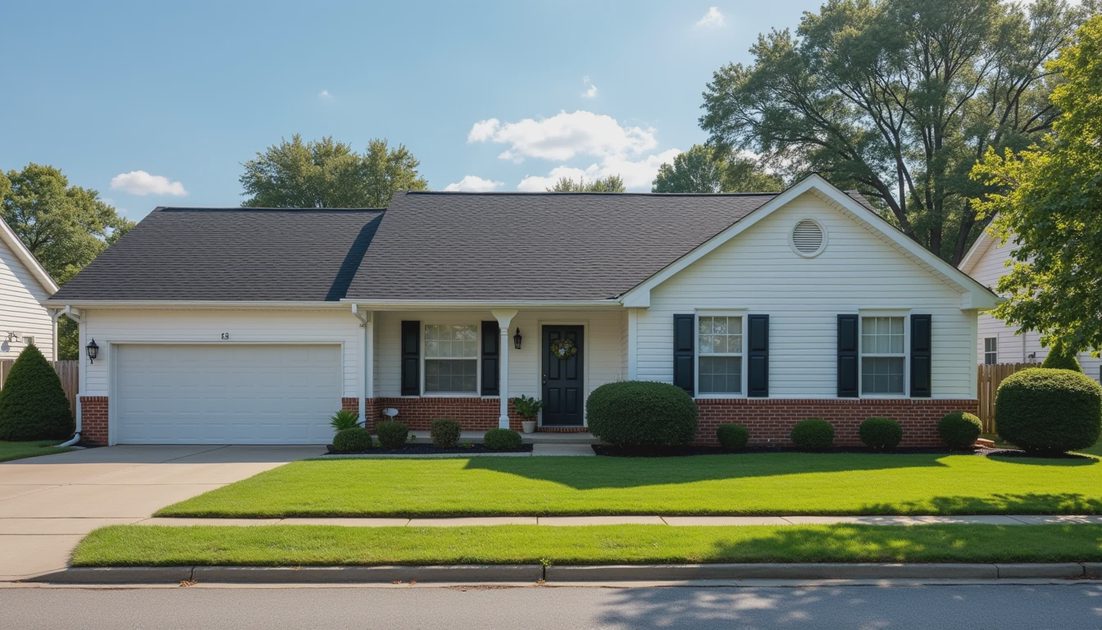
Style sells a house, but systems protect the sale. In every pre-listing walkthrough I do across the Charlotte area, I see the same inversion: sellers polishing a kitchen that won't change the offer while a fifteen-year-old roof, sagging gutters, or a corroded HVAC unit sits silently in the background, ready to surface at the inspection. When sellers ask what to fix before listing a home, my answer starts with a question: what would an inspector find, and what would a buyer's home warranty quote say?
Eight years of residential project management taught me that the money in pre-sale work is rarely in the pretty line items. It's in the systems — roofing, gutters, windows, HVAC — because those are the items that show up in the inspection report, the ones lenders and appraisers actually read, and the ones that generate the largest credit requests. Here's how I think about systems versus style when a house is about to hit the market.
The Inspection Report Is the Real Buyer
Most sellers plan for the showing and forget the inspection. But on a typical sale, the inspection report travels further than any tour: it goes to the buyer, the buyer's agent, the lender, and sometimes the appraiser. A single line about a failing water heater or a roof with three layers of shingles can rewrite the negotiation.
Here's the systems-first ranking I use when advising sellers. The table shows what to prioritize, the typical lifespan a buyer's inspector will expect, and the cost signal each system sends:
System | Expected Lifespan (years) | Typical Pre-Sale Condition Check | Cost Signal to Buyers |
|---|---|---|---|
Roof | 20–25 (asphalt) | Age, shingle curl, moss, missing tabs | Highest: full replacement is a five-figure line |
Gutters and downspouts | 20–30 | Sagging, leaks, debris, splash-back against siding | Moderate: easy to see, cheap to fix |
Windows | 20–40 | Fogged glass, rotted frames, drafts | Moderate: fogged units read as moisture problems |
HVAC | 15–20 | Age, maintenance records, coil condition | High: replacement quote changes buyer math |
Water heater | 10–15 | Age, corrosion, leak pan | Low-moderate: smaller quote, easy credit ask |
The pattern is simple: the systems with the longest replacement timelines and the largest replacement quotes are the ones that drive negotiation. A fogged window is a hundred-dollar repair and a small ask. An expired HVAC unit is a five-figure conversation that happens before any offer is written.
The Age Rule That Predicts the Conversation
Here's the rule I give every seller: if a system is within two years of its expected lifespan end and has no documentation of maintenance, expect it to come up at inspection. You can choose to address it before listing or negotiate after the report — but you can't choose whether it comes up.
That's the real distinction between systems and style. A dated kitchen backsplash is a taste question, and taste is subjective. A roof at year 22 is a condition question, and conditions get priced by professionals. Buyers negotiate with numbers, not opinions, and the numbers on systems are written by inspectors and contractors, not by how the house feels at the showing.
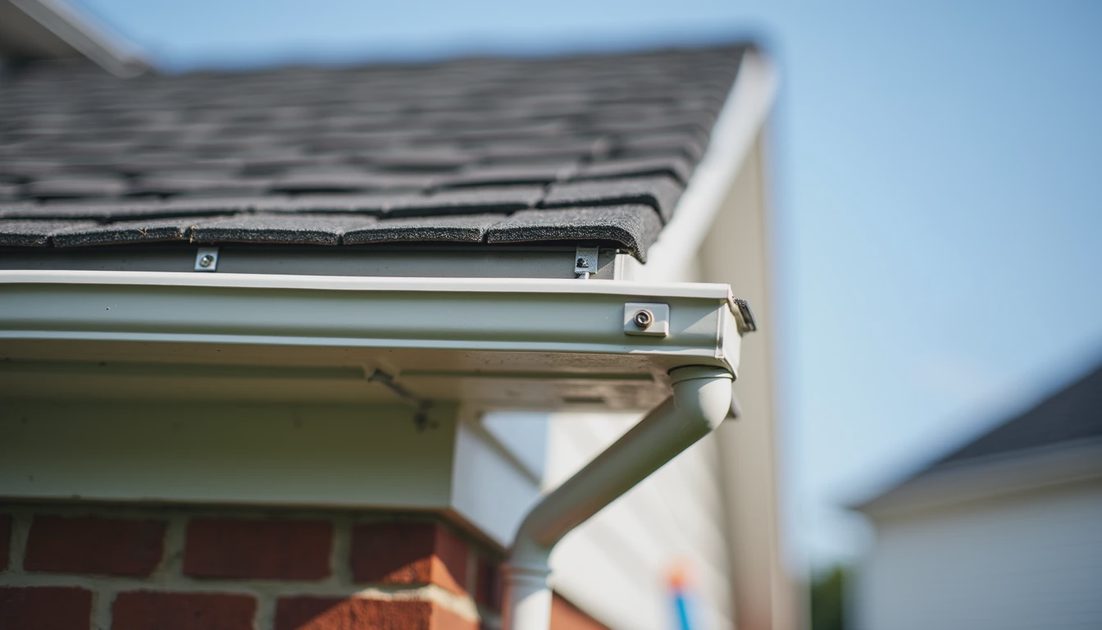
Roofing: The Five-Figure Elephant
Roof condition is the single most expensive system conversation in pre-sale work, and it's the one sellers most often hope to ignore. A roof at the end of its life doesn't just cost money — it changes the entire buyer's math, because a new roof quote of 14,000 (typical for a mid-size Charlotte ranch or colonial) gets mentally added to the purchase price.
Here's how I advise sellers on the roof decision, in order:
Get the age and condition documented first. A roofing contractor's free inspection gives you a written condition report. Without it, you're negotiating on opinions.
Count the shingle layers. Three or more layers is a red flag for inspectors and insurers alike — it's a replacement conversation, not a repair conversation.
Repair only if the roof is young. Missing tabs, a few nail pops, a small leak around a vent — those are repairs. Curled, brittle, mossy shingles across a full slope are not.
Price the replacement against the credit you'd otherwise give. If a buyer's inspection will trigger a $12,000 ask anyway, a partial seller-side replacement or a documented credit is often cheaper than a full pre-listing install — but only if you've gotten the honest quote first.
The key insight: sellers who address the roof before listing control the narrative. Sellers who wait negotiate from the buyer's inspection report, where the number is always bigger. In my experience, the pre-listing roof discussion almost always ends up cheaper than the post-inspection version, because the pre-listing version has competition — the buyer knows other houses are available.
The Gutter-Downspout System That Costs Almost Nothing
Gutters are the most underrated system on the list. They're cheap, visible, and they protect the two most expensive things on the house — the roof edge and the foundation. A sagging, leaf-filled gutter system reads to a buyer as "water problems," and water problems are the phrase buyers fear most.
The fix is affordable and fast: clean the gutters, re-hang the sagging runs, replace the missing downspout extensions, and make sure water discharges four to six feet away from the foundation. A few hundred dollars of gutter work removes one of the most common inspection findings and one of the easiest buyer credit requests. I put gutters on every pre-sale list because they're the highest return per dollar in the entire systems category.
Windows: The Fogged-Glass Red Flag
Windows sit in a strange place in pre-sale work: they're a system, but they look like style. Buyers see windows every time they walk through a room, and a fogged or failed thermal unit is one of the few defects buyers can see without an inspector.
A fogged window means the seal between the glass panes has failed, and it's a moisture signal — buyers translate "fogged window" into "moisture problem" faster than any other visible defect. The repair cost is modest: a single insulated glass unit runs roughly 350 installed, depending on the size and the window manufacturer. A house with several fogged units can be corrected for under a thousand dollars, and the correction removes a visible inspection item that would otherwise appear in photos, showings, and the report.
When Windows Are Worth Replacing Before Listing
Full window replacement is a different conversation, and it's usually not a pre-sale move. Replacing all the windows in a mid-size house runs 20,000 in the Charlotte market, and buyers rarely pay a premium that covers it. The exception is a house with genuinely failing windows — rotted frames, air leaks so severe the heating bill is affected — where the replacement is a condition fix, not an upgrade.
My rule for sellers: repair the fogged units and failed seals, replace the rotted frames if they're localized, and skip the full window replacement unless the windows are failing structurally. The listing photos won't show the difference between good and new windows, but the inspection report will show the difference between good and failing.
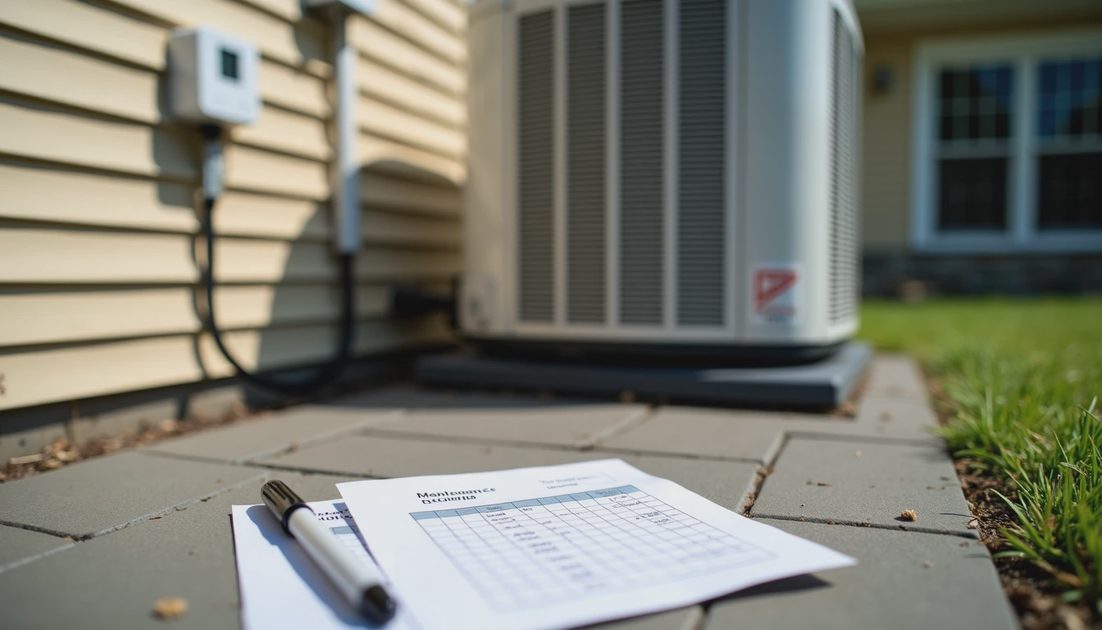
HVAC: The Home Warranty Quote Tells You the Truth
Heating and cooling is the system where a buyer's fear is most expensive, because a failed unit means an immediate five-figure conversation. The condition of an HVAC unit is rarely visible at a showing — the inspection and the home warranty quote are where it surfaces.
Here's the practical pre-sale approach:
Have the system serviced and documented. A maintenance record showing annual service, a clean coil, and a working thermostat changes the inspection conversation completely.
Know the age and the expected remaining life. A unit at year 14 with no maintenance history is a credit ask waiting to happen.
Get a pre-listing quote on replacement. If the unit is truly at the end of its life, knowing the honest number — typically 11,000 for a forced-air system in a mid-size Charlotte home — lets you decide between a seller-side replacement and a negotiated credit from strength, not surprise.
Never replace pre-listing without a reason. A working system with documented maintenance is not a pre-sale project. The replacement only makes sense when the unit is failing, or when the credit a buyer will demand exceeds the replacement cost.
The home warranty quote is the tool I tell sellers to use: ask what a one-year home warranty would cost on the current system. If the warranty provider quotes the unit as "aging, coverage limited," that's your signal that the inspection will raise it too.
The Systems Checklist for Every Pre-Listing Walkthrough
Here's the condensed checklist I run through with sellers, in priority order, before any style decisions are made:
Roof: age documented, no visible curl or missing tabs, single- or double-layer only
Gutters: clean, secure, downspouts discharging away from the foundation
Windows: no fogged units, no rotted frames, seals intact
HVAC: serviced within the year, maintenance records available, age known
Water heater: age documented, no corrosion, pan and discharge line intact
Attic: ventilation working, no moisture staining on rafters
Crawl space or basement: dry, no standing water, vapor barrier intact
Run through this list before you spend a dollar on cosmetics. The inspection report doesn't care about the new backsplash, but it cares very much about the water heater with rust on the tank. When sellers ask me what to fix before listing a home, the answer is always the same order: protect the systems first, because systems protect the sale. A house can sell with a dated kitchen. It's much harder to sell with an open inspection finding on the roof, and the discount on the second one will cost more than the renovation you skipped. Don't renovate for applause. Renovate for the next offer.