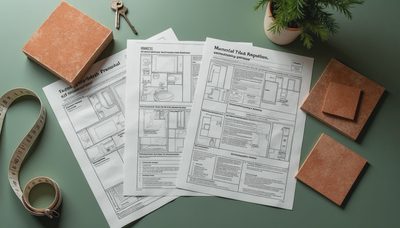
If you are preparing to sell, how long does it take to renovate a kitchen is not a casual planning question. It affects your listing date, contractor availability, storage plans, family routines, and whether the project is finished before buyers walk through the door. For a straightforward cosmetic update, plan on four to eight weeks. A larger renovation involving walls, plumbing, electrical work, permits, and custom cabinets can take three to five months.
That range is wide because “renovate” can mean painting oak cabinets and replacing hardware, or removing the kitchen down to the studs. If this were my listing next month, I would define the scope first, then build the schedule around the work that buyers will actually notice.
The Typical Kitchen Renovation Timeline
A practical pre-sale kitchen update usually moves through five stages. Design and scope decisions take one to three weeks. Contractor bidding and scheduling can take two to six weeks, especially during the busy spring and summer season. Ordering cabinets, countertops, appliances, and tile may take two to eight weeks. Demolition and installation commonly require two to six weeks. Final inspections, punch-list repairs, cleaning, and photography add another one to two weeks.
For a modest kitchen refresh, the work itself might include painting walls, changing cabinet hardware, installing a new faucet, replacing dated light fixtures, and adding a backsplash. That project can sometimes be completed in one to three weeks once materials are available. A cabinet-refacing job often takes two to four weeks. New semi-custom cabinets generally extend the schedule because measurements, delivery, and installation must happen in sequence.
Do not set your listing date based on the contractor’s best-case estimate. Add at least 20 percent schedule cushion. A missing cabinet door, delayed countertop template, failed inspection, or backordered appliance can easily add several days.

How Long Does It Take to Renovate a Kitchen When the Layout Changes?
Changing the layout is where timelines become less predictable. Moving a sink can require new water lines and a drain location. Relocating a range may involve gas or electrical changes and updated ventilation. Removing a wall can require structural review, a beam, permits, drywall repairs, flooring work, and inspections. Each individual task may be manageable, but delays multiply when one trade cannot start until another finishes.
A layout-changing renovation often takes eight to sixteen weeks after planning is complete. A full custom project can run longer. The cabinet manufacturer, local permit office, countertop fabricator, electrician, plumber, and general contractor all influence the final date. The question is not simply how long does it take to renovate a kitchen; it is how many handoffs are built into the plan.
Before approving a layout change, ask what problem it solves for a buyer. Opening a wall between a cramped kitchen and a family room can improve traffic and natural sightlines. Moving an appliance six inches to create a better work zone may not matter in listing photos. Spend on changes that improve function, light, storage, or buyer confidence rather than complexity for its own sake.
A Resale-Focused Budget and Scope
For many middle-class suburban homes, a sensible pre-sale refresh may land between $8,000 and $20,000. That could cover paint, hardware, lighting, a faucet, limited cabinet work, flooring repairs, and a restrained countertop or backsplash update. A midrange renovation with new cabinets, counters, appliances, flooring, and installation can easily reach $25,000 to $55,000 or more. Luxury finishes can push the number much higher without producing a matching sale price.
If cabinets are structurally sound, painting or refacing them may be more practical than replacing them. White, warm gray, natural wood, and simple shaker-style doors tend to photograph cleanly without forcing a buyer to accept a highly personal design. A reliable stainless appliance package from brands such as GE, Whirlpool, or Frigidaire can present well without making the kitchen look overbuilt for the neighborhood.
The best use of money is often not the most impressive upgrade. A $3,000 cabinet-painting and lighting plan may do more for buyer perception than a $12,000 designer range. Buyer confidence matters before buyer compliments.
What Commonly Delays the Project
The largest delays usually begin before demolition. Homeowners choose finishes slowly, discover water damage behind a cabinet, or start work without confirming whether a permit is required. Older homes can also reveal uneven floors, outdated wiring, leaking supply lines, or walls that are not square. These conditions are not reasons to panic, but they need a budget and schedule allowance.
Material selection matters just as much. A stocked faucet may arrive tomorrow, while a specialty tile or custom cabinet can take six weeks. Before signing, ask the contractor which items are in hand, which are ordered, and which have an estimated delivery date. Do not let demolition begin until essential materials are confirmed.
A written contract should identify the scope, payment schedule, allowance amounts, change-order process, start date, expected completion date, cleanup responsibilities, and warranty terms. Compare bids by line item rather than choosing the lowest total. A $16,000 bid that excludes electrical work, painting, disposal, or permit fees may be more expensive than a $19,000 bid with a complete scope.
How to Plan Around Your Listing Date
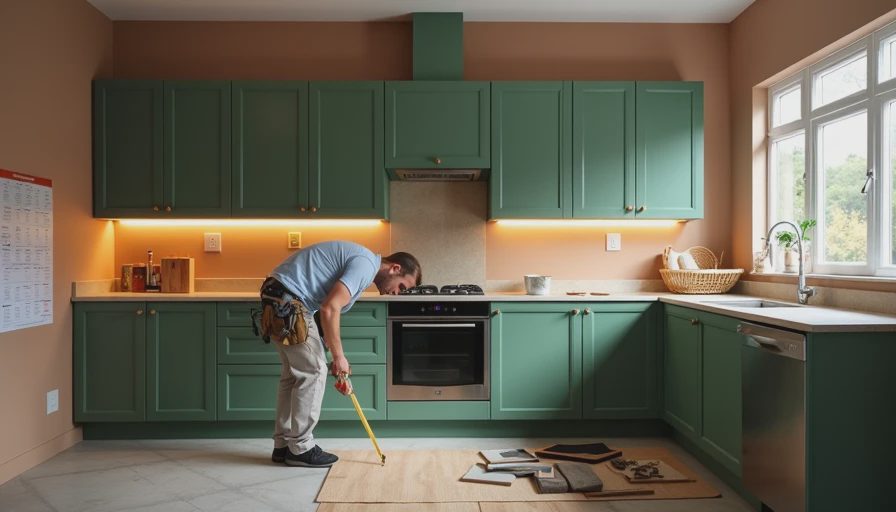
Work backward from the date your home should be photographed, not from the day demolition begins. If you want to list on June 1, aim to finish construction by early May. That gives you time to correct paint flaws, install missing trim, deep-clean cabinets, stage the room, and handle small surprises. It also protects you from taking listing photos with tools, dust, or unfinished countertops in view.
During construction, create a temporary kitchen with a microwave, coffee maker, folding table, cooler, and dishwashing setup. If your family depends on the kitchen every day, a four-week job can feel much longer. Plan simple meals and protect finished flooring from construction traffic. These details do not change the contractor’s schedule, but they make the disruption easier to manage.
Ask for a weekly schedule with named milestones: demolition complete, rough plumbing complete, electrical inspection, cabinets installed, countertop template, countertop installation, final trim, and punch list. A clear milestone plan makes it easier to spot a delay while there is still time to respond.
Should You Renovate Before Selling?
The answer depends on condition, neighborhood expectations, and the price gap between your home and competing listings. If the kitchen is clean, functional, and merely dated, a deep clean, fresh paint, new pulls, brighter lighting, and minor repairs may be enough. If cabinets are damaged, counters are worn, appliances are unsafe, or the room looks neglected in photos, targeted renovation can protect buyer interest and reduce objections.
Avoid starting a major kitchen renovation solely because a real estate agent says buyers want something “updated.” Ask for comparable listings, recent buyer feedback, and a specific explanation of what is hurting your home’s appeal. A renovation that takes four months can create more risk than a dated but functional kitchen if it delays the sale into a slower market or consumes your preparation budget.
So, how long does it take to renovate a kitchen? For a cosmetic refresh, expect two to six weeks. For cabinet replacement and moderate construction, plan on two to four months. For a major layout change, allow three to five months, including decisions, permits, ordering, installation, and contingency time. Get the scope in writing, protect the schedule, and spend where buyers see the difference. Don’t renovate for applause. Renovate for the next offer.