If you are preparing to sell, asking how long does a bathroom renovation take is not just a scheduling question. It affects your listing date, contractor availability, carrying costs, and whether the finished room looks thoughtfully updated or rushed. For a typical U.S. hall bathroom, plan on two to four weeks of active work. A larger primary bathroom with plumbing changes, custom materials, or hidden water damage can take six to eight weeks.
That range assumes the design is settled, materials are ordered before demolition, and the contractor has enough labor to keep the job moving. In real homes, the calendar often stretches because of inspections, backordered tile, change orders, or a subfloor that needs repair. If this were my listing next month, I would build in at least one extra week beyond the contractor's optimistic estimate.
A realistic bathroom renovation timeline
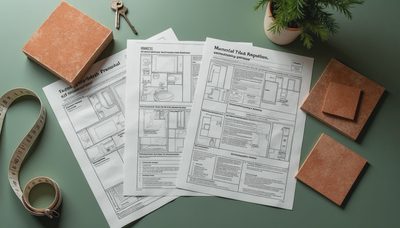
The first phase is planning and estimating, which usually takes one to three weeks before work starts. During this stage, you should define the scope, measure the room, select fixtures, compare bids, and confirm whether permits are required. A simple cosmetic update may need only a clear written scope. Moving a toilet, shower drain, or vanity supply lines requires more coordination and often a permit.
Demolition generally takes one to three days. Removing a vanity, toilet, mirror, flooring, and shower surround is relatively quick. The surprise appears after the surfaces are open. Contractors may find soft subflooring, deteriorated framing, outdated wiring, or moisture damage around the tub. A $500 repair can become a $2,500 repair when water has traveled into the wall or floor system.
Rough plumbing and electrical work can take two to five days, followed by inspections where required. Waterproofing is another important step, not a place to save a day. Shower walls need a properly installed waterproofing system before tile goes in, and that system needs appropriate curing time. Tile installation often takes three to seven days, including layout, cutting, grouting, and drying.
The final stretch includes painting, trim, hardware, lighting, mirrors, toilet installation, caulking, and cleanup. Those details can require three to six days, especially when several trades work in sequence. This is why the answer to how long does a bathroom renovation take is usually longer than the demolition video suggests.

What makes the schedule longer
The biggest timeline driver is scope. Replacing a dated vanity, faucet, light fixture, mirror, and paint may take three to seven working days. Rebuilding a shower, moving plumbing, replacing flooring, and correcting ventilation is a different project. A contractor who quotes two weeks for both jobs may be assuming perfect conditions or leaving out finishing work.
Material selection matters just as much. Stock vanities from Home Depot, Lowe's, or a local supplier can often be purchased quickly. A semi-custom vanity, specialty shower glass, imported tile, or a backordered Kohler or Delta fixture can hold up the final installation. For a pre-sale project, I would choose dependable, readily available products over a dramatic item that adds three weeks and does little for buyer confidence.
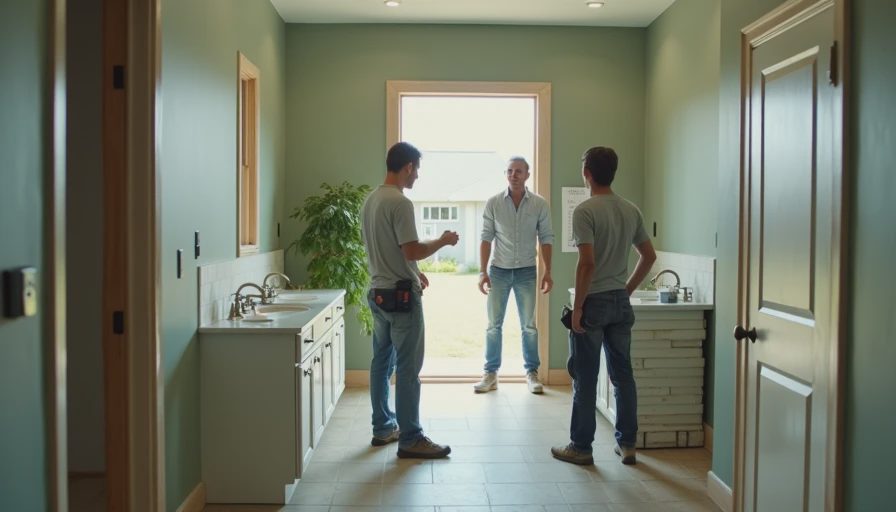
Access also affects duration. A bathroom on the second floor, a home with one working bathroom, or a property occupied by a family requires more careful staging. If Noah and Sophia were using the only bathroom in our house, I would want a written sequence for shutting off water, daily cleanup, and temporary toilet access before signing the contract.
Structural problems deserve special attention. A toilet leak can damage the subfloor, while a poorly vented bathroom can leave persistent moisture and peeling paint. These repairs are not glamorous, but they protect the sale. Buyers notice a fresh vanity; inspectors notice movement underfoot, missing exhaust ventilation, and evidence of active or previous leaks.
How to shorten the project without cutting corners
Start with a fixed scope. Decide whether the job includes only cosmetic work or a full gut renovation, then avoid changing the layout after demolition begins. Every mid-project decision can add labor, delivery time, or both. A written scope should identify the vanity size, tile style, faucet finish, shower enclosure, paint color, fan, lighting, and who supplies each item.
Order long-lead materials before the first hammer swings. Confirm that the vanity, toilet, tub or shower base, faucet, tile, fan, light, and glass are physically available. Keep boxes in a dry, protected area and inspect fragile items immediately. Discovering a cracked sink on installation day can create a week-long delay.
Ask contractors to explain the critical path in plain English. A useful answer sounds like this: demolition first, inspection second, rough work third, waterproofing and tile next, then fixtures and punch-list work. An answer such as “we should be done in a couple of weeks” gives you no way to judge progress.
Finally, schedule a punch-list inspection before photography. Run the shower, flush the toilet, test the fan, check hot and cold water, inspect grout lines, and look for paint on trim or hardware. Two extra days for corrections are cheaper than discovering defects after listing photos are online.
What a resale-focused budget should include
A standard hall bathroom refresh commonly lands around $8,000 to $15,000 when the layout stays in place and the materials are practical. A more involved primary bathroom renovation can reach $20,000 to $40,000 or more, particularly when it includes new plumbing locations, custom glass, upgraded cabinetry, or structural repairs. Those figures are planning ranges, not promises, because labor rates and local conditions differ widely.
For a home headed to market, I would spend first on waterproofing, working fixtures, strong lighting, clean flooring, fresh paint, and a vanity with useful storage. A white or soft neutral tile, durable porcelain flooring, and a simple chrome or brushed nickel fixture package usually appeal to more buyers than highly personal finishes. If the existing tub is sound, refinishing it can be more sensible than replacing the entire bathing area.
The question is not whether a $3,000 faucet is nicer. The question is whether it helps the sale more than repairing the stained hallway carpet, replacing failing gutters, or applying fresh paint in the main living areas. Bathroom work should support the home's overall condition rather than consume the entire preparation budget.
A scheduling checklist before hiring
Before accepting a bid, ask how long does a bathroom renovation take for this exact scope, not for a generic bathroom. Request the estimated start date, working days, inspection milestones, material responsibilities, cleanup plan, and final completion date. Ask what happens if hidden damage appears and require written approval before extra work begins.
Collect at least two or three detailed bids. Compare labor, demolition, waterproofing, tile preparation, disposal, permits, fixtures, and finish work line by line. A low bid that excludes painting or cleanup is not necessarily cheaper. A higher bid may be reasonable if it includes a dedicated project manager, licensed trade work, and a clear warranty.
Also confirm insurance, references for recently completed bathrooms, and payment stages. Avoid paying the entire balance before the punch list is complete. If the renovation is tied to a home sale, tell the contractor your target listing date, but do not let urgency justify unsafe shortcuts.
The practical answer for sellers
So, how long does a bathroom renovation take? For a controlled, same-layout update, expect roughly two to four weeks from demolition through cleanup. For a full primary bath remodel, six to eight weeks is a safer planning window. Add time for design, permits, material ordering, and a contingency week before scheduling photography or listing.
A bathroom does not need to look luxurious to help a sale. It needs to feel dry, clean, functional, and consistent with the rest of the house. Buyer confidence matters before buyer compliments. Don’t renovate for applause. Renovate for the next offer.