
If you are preparing to list your house, you may be asking, do you need a permit to renovate bathroom spaces before making an update? The honest answer is that it depends on the work and the rules in your city or county. Replacing a vanity is treated very differently from moving a toilet, adding a circuit, or removing a wall.
That distinction matters for resale. A permit is not just paperwork. It can affect inspections, appraisals, insurance questions, contractor responsibility, and buyer confidence. Before you approve a $18,000 bathroom project, identify which parts need approval and which improvements can be completed without opening a costly permitting process.
What Bathroom Work Usually Needs a Permit?
Cosmetic work often does not require a building permit. Painting, replacing mirrors, installing towel bars, swapping a vanity in the same location, and replacing a toilet without changing plumbing connections are commonly considered minor improvements. Rules differ, so do not treat that list as a guarantee.
Permits are more likely when the project changes the structure, plumbing, electrical system, or ventilation. Moving a shower drain, relocating a toilet, changing supply lines, installing a new bathroom fan, adding recessed lights, replacing a tub with a larger shower, or removing a wall can trigger one or more permits. Work involving load-bearing framing generally requires review, and older homes can create additional issues when wiring or plumbing does not meet current standards.
A useful question is not simply, do you need a permit to renovate bathroom areas? Ask instead: What systems are being changed, and who has authority over each one? A building department may handle framing, while plumbing and electrical work require separate approvals. Some jurisdictions allow homeowners to pull permits; others expect licensed trades to handle specific work.
Call your local building department before demolition. Give the address, describe the planned scope, and ask whether a building, plumbing, electrical, or mechanical permit applies. Write down the answer and request the requirements by email if possible. That five-minute conversation can prevent a failed inspection after tile, drywall, and paint are already finished.
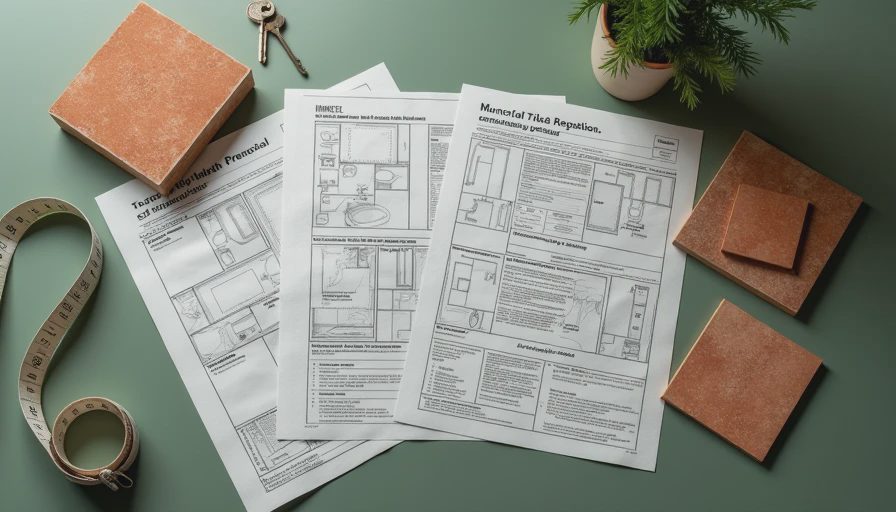
Why Permits Matter When You Sell
Most buyers will not ask to see a permit for a new faucet. They can become very interested when records show an unpermitted bathroom addition, a converted closet, or a remodeled shower with questionable electrical work. During a sale, an inspector may notice new fixtures, fresh drywall, exposed junction boxes, unusual plumbing, or signs that a wall was moved.
If the work should have been permitted but was not, you could face several outcomes. The buyer might request documentation, ask for a price reduction, require repairs, or walk away during the inspection period. In some cases, the local authority can require an after-the-fact permit and inspection. That process may involve opening finished walls, correcting code issues, and paying permit fees plus penalties.
For a pre-listing renovation, buyer confidence matters before buyer compliments. A clean bathroom with ordinary materials and documented work is often safer than a dramatic bathroom that raises questions. If this were my listing next month, I would rather show a $9,000 properly scoped refresh than a $25,000 remodel with missing approvals.
Permits also create a record that can help explain the improvement to an appraiser or future buyer. They do not guarantee a higher sale price, and they do not turn an overbuilt bathroom into a good investment. They simply reduce uncertainty, which is valuable when several homes are competing in the same neighborhood.
Renovation Scope: The Resale-Friendly Choice
The best pre-sale bathroom project is usually a controlled refresh. Keep the toilet, sink, shower, and plumbing locations where they are. Replace a cracked vanity, dated light fixture, stained caulk, worn flooring, and damaged paint. A midrange vanity from Home Depot or Lowe's, a standard elongated toilet, a quiet exhaust fan, and simple porcelain tile can make the room feel cared for without creating a construction maze.
If the tub is serviceable, reglazing or replacing the surround may cost far less than converting the entire room to a custom walk-in shower. A basic shower conversion can start around $6,000 to $12,000, while custom tile, waterproofing corrections, frameless glass, and relocated plumbing can push the total well above $20,000. Those numbers vary by market and condition, but the scope difference is real.
Do you need a permit to renovate bathroom fixtures? Often not for a direct replacement, but adding a dedicated electrical circuit or changing the room layout is different. A seller should not ask a contractor to describe major work as a “simple update” just to avoid a permit. That shortcut transfers risk to the homeowner.
The question is not whether the new design is nicer. The question is whether it helps the sale. In many suburban listings, clean grout, bright lighting, fresh paint, and a functioning fan do more for buyer perception than imported tile or a high-end soaking tub.

How to Check Permit Requirements Step by Step
Start with the city or county permit portal. Search for residential alterations, bathroom remodeling, plumbing, and electrical permits. If the website is unclear, call the permit counter and describe the project in plain language. Mention every planned change, including moving fixtures, adding outlets, changing ventilation, replacing a window, or removing drywall.
Next, ask your contractor for a written scope that separates cosmetic work from permitted work. The proposal should state who pulls each permit, who schedules inspections, and whether permit fees are included. Be cautious if a contractor says permits are unnecessary without explaining why. A low bid can become expensive when inspections uncover concealed defects.
Before work begins, photograph the existing bathroom. Save invoices, product specifications, permit numbers, inspection approvals, and final contractor information in one folder. If a future buyer asks what was done, you can provide a simple record instead of relying on memory.
Finally, verify that required inspections are closed. A permit that was issued but never finalized is not the same as completed permitted work. Ask the building department how to confirm the final status. This detail is easy to miss when a contractor leaves after installation.
Should You Renovate or Just Repair?
For sellers on a tight timeline, repair often wins. Fix a slow drain, leaking toilet, loose tile, failed caulk joint, poor ventilation, or unsafe outlet before spending on appearance. These defects can appear in an inspection report and make buyers question what else has been neglected.
A modest renovation makes sense when the bathroom is visibly outdated or damaged compared with nearby listings. Budget roughly $2,000 to $5,000 for a focused cosmetic refresh, $6,000 to $12,000 for a more involved but location-preserving update, and considerably more when plumbing, framing, or electrical systems move. Get at least two itemized bids so you can compare labor, materials, permits, disposal, and contingency amounts.
Do you need a permit to renovate bathroom areas for resale? If the project stays cosmetic, possibly not. If it changes systems or structure, assume that approval may be required until your local authority confirms otherwise. Spend first on safety, function, and visible condition. Skip luxury features that do not match the neighborhood.
Don’t renovate for applause. Renovate for the next offer. A permitted, well-documented bathroom that looks fresh and works properly gives buyers fewer reasons to negotiate and gives you a cleaner story when the house goes on the market.