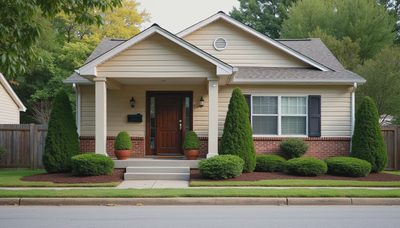
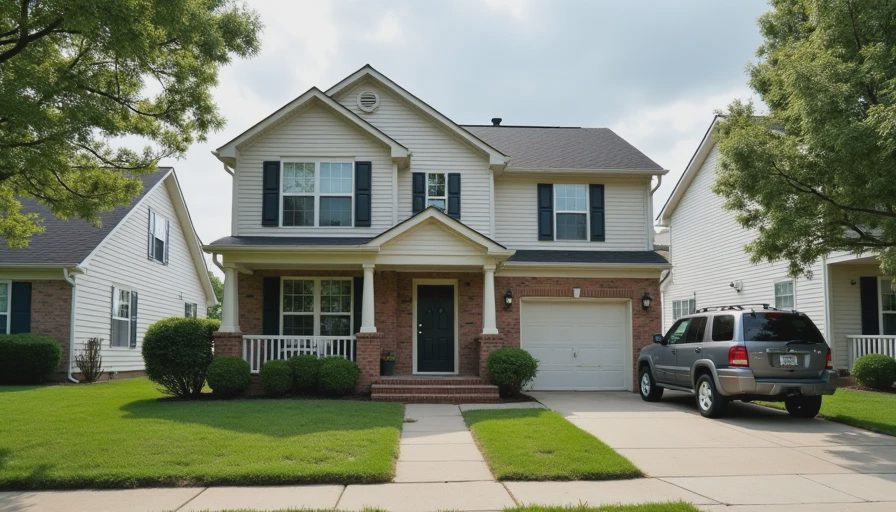
I've walked hundreds of driveways in Charlotte over the last eight years, and the first ten seconds of a showing still tell me more than the next hour. Buyers step out of the car, scan the roofline, and read the siding before they ever reach for the lockbox. Siding replacement before selling rarely tops a seller's to-do list, but it's usually the upgrade with the most money riding on it. The front elevation is the first thing buyers see, the thing that shows in every listing photo, and the signal they use to judge how well the rest of the house was cared for. If it reads as neglected, the showing starts in a hole.
This is the conversation I have most often in my pre sale home renovation work. When a seller asks what to fix before listing, I start with the same question I ask about my own listings: if this were my listing next month, where would I spend first? More often than not, the answer involves siding — not because it's glamorous, but because buyers weigh it heavily from the curb.
The Ten-Second Judgment Starts Before the Ring of the Doorbell
Buyers decide more about a house on the walk from the car to the front door than at any other single moment of the tour. That's not a guess; it's how most people shop. They're not measuring square footage on the way in — they're forming a maintenance impression from the condition of what's in front of them.
Siding does most of the work in that first look. It's the largest visible surface on most homes, it frames the front door, and it appears in every photo on the listing. A clean, straight exterior reads as "this owner took care of things." A warped board or a visible patch reads as "what else has been let go?"
Why Siding Carries More Weight Than Landscaping or Paint
Landscaping can be fixed in an afternoon. Paint reads differently under different light. Siding is structural and continuous — it says something about the envelope of the house, not just its cosmetics. Buyers know, at a gut level, that the skin of the house is where weather gets kept out. When it looks uncertain, they extend that uncertainty to the roof, the windows, and the foundation.
That's why the question of siding replacement before selling isn't a cosmetic debate. It's a risk question, and buyers are wired to price risk into an offer.
Know Which Level of Trouble You're Looking At
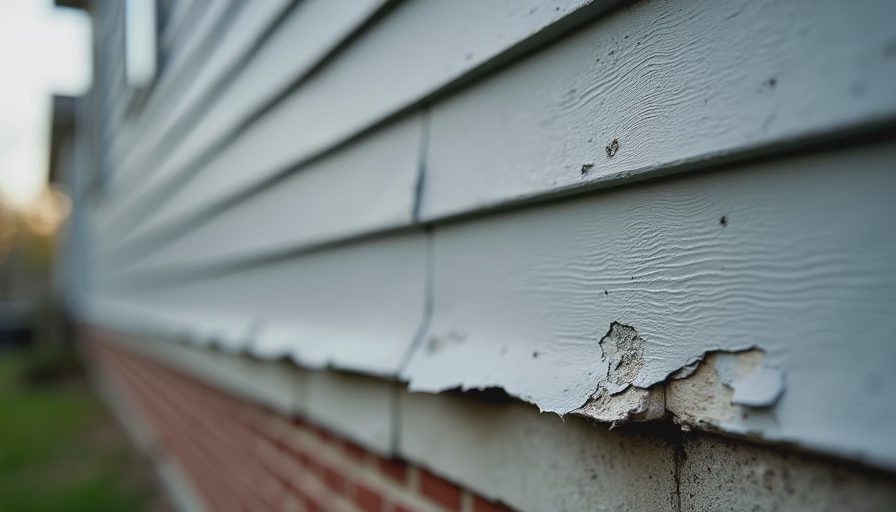
Not all siding problems deserve the same response. In my eight years of managing renovation projects and now advising sellers, I've learned to sort siding issues into three levels before recommending anything. Misjudging the level is how sellers either waste money or leave real money on the table.
Siding Issue Level | What You'll See | Buyer Reaction | Typical Budget Range |
|---|---|---|---|
Cosmetic | Dirt, mildew, a single faded board, light paint peel | Minor; handled with cleaning and touch-up | 900 |
Functional | Warped boards, rot in a few boards, trim rot, water stain trails | They assume water problems; the inspection picks it up fast | 4,500 |
Systemic aging | Overall fading, multiple patch repairs, boards near end of service life | They question the whole exterior, then the whole house | 22,000 |
Cosmetic issues are the ones I tell sellers to stop worrying about. A thorough pressure wash, some spot painting, and replacing a handful of boards usually covers it. I've seen sellers panic over moss on a shaded north side that a single afternoon of cleaning handled.
Functional issues are where the money starts to move. Warped boards, rot, and trim that's soft to the touch get amplified in an inspection. Once a buyer's inspector starts poking, the seller is suddenly negotiating from the repair report instead of from the listing price.
Systemic aging is the tipping point. When the siding is faded unevenly across the whole house, patched in four different spots, and clearly near the end of its service life, no amount of cleaning restores it. That's when buyers start asking about the roof and the windows in the same breath.
When a Patch Is the Right Call, and When It Isn't
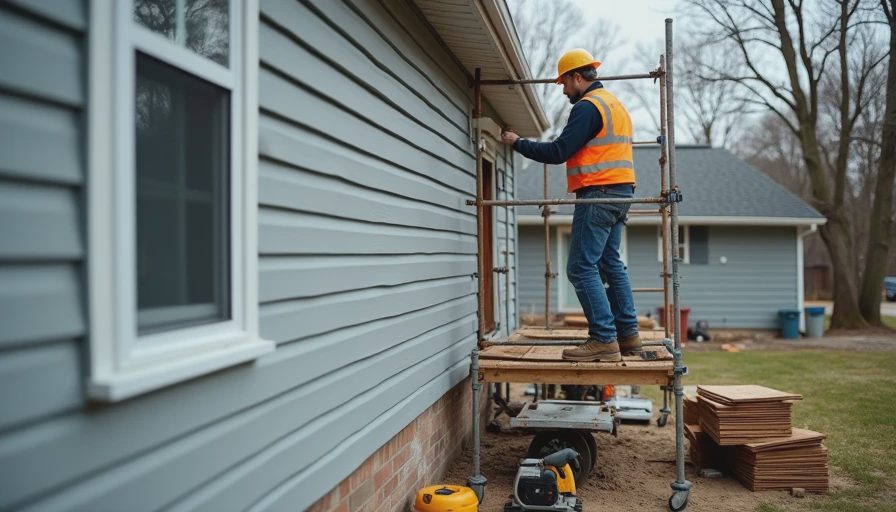
Whether siding replacement before selling is the right move comes down to one question: is this a local problem or a whole-house problem? I tell sellers to look at the pattern, not the single board.
Patch When the Problem Is Local
If you're dealing with one damaged section — say, a few boards under a window where water has been sitting — a local repair is the right call. Replacing a few boards, priming, and painting to match is a one-weekend job for a contractor. Buyers won't notice the repair if the rest of the elevation is sound.
Replace When the Pattern Is Broad
When fading is uneven, when more than a few boards are suspect, or when the siding is genuinely past its useful life, patching makes the problem more visible, not less. Each new patch reads as another reason to doubt the rest of the house.
When replacement makes sense, I push the front-and-visible-face principle. Spend the budget on the front elevation and the two sides buyers can see from the street, and hold off on the back. Buyers spend thirty seconds at the curb and maybe five minutes in the backyard; the front is where the offer gets made.
The Patch-or-Replace Question, in One Place
Scenario | Right Call | Why |
|---|---|---|
One bad section, sound rest | Local repair | Cheaper, and buyers can't tell |
Several patches, still sound boards | Full replacement of visible faces | Patches advertise themselves |
Faded, brittle, near end of life | Front elevation replacement first | Smart use of a limited budget |
Buyers Discount What They Think They'll Have to Maintain
Here's the pattern I see in Charlotte offers again and again: when buyers believe the exterior needs work, they build a discount into their number — and that discount is usually larger than the actual cost of the repair. They're not pricing the repair. They're pricing the hassle, the uncertainty, and the fear of what else they haven't seen yet.
A 6,000 in negotiating room. That's the real math of old siding, and it's the reason I keep circling back to siding replacement before selling with sellers who are on the fence.
Here's what buyers actually weigh on the walk to the door:
Cracked or missing caulk around windows and doors
Peeling paint where boards meet the trim
Any board that's warped, buckled, or soft to the touch
Water stain trails running down a wall
Moss or algae that reads as neglect rather than shade
Every one of those items feeds a single sentence in the buyer's head: "This house is going to cost me money." Once that sentence is in place, it colors the whole tour. That's why in my pre sale home renovation consultations I treat the exterior as a first-order item, not a finishing touch.
If This Were My Listing Next Month
I'll give you the same answer I give sellers in Charlotte: Don't renovate for applause. Renovate for the next offer. Siding is the classic quiet upgrade — nobody applauds a clean elevation, but everyone prices it into their offer.
The practical version of that for your listing:
Walk your own driveway the way a buyer would, and take photos from the street
Sort what you see into cosmetic, functional, or systemic aging
Clean what's cleanable, repair what's local, and replace what's worn out
Spend the replacement budget on the front and the visible sides first
Keep the contractor quote for the work done — it's a conversation piece at the table
Old siding doesn't lose you the sale outright in most cases. It quietly shaves your price, invites inspection drama, and hands buyers a reason to hesitate. If this were my listing, I'd want the curb to say "maintained" before anyone ever unlocks the door. That's where buyer confidence is won — in the ten seconds before they ring the bell.