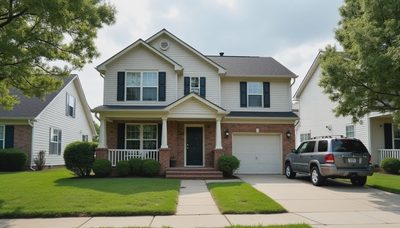
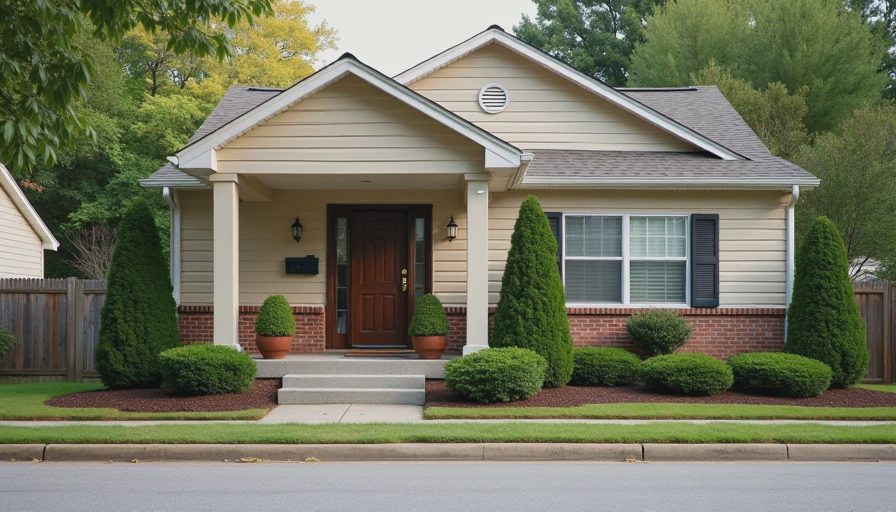
Buyers spend more time reading the outside of your house than they realize, and they do it before they've stepped inside. When I talk about siding replacement before selling, I'm not describing a cosmetic overhaul — I'm describing the highest-visibility maintenance signal a house can send, because buyers use the exterior to infer how the rest of the property was treated.
In eight years of residential project management in Charlotte — scheduling, bid review, scope planning — and now as a pre-sale renovation advisor, I watch the same pattern repeat: a buyer pulls up, scans the facade for fifteen seconds, and files a quiet verdict before the front door opens.
That verdict is rarely about square footage. It's about maintenance signals: the cracked driveway, the peeling door, the gutter with a sprout growing out of it. If the exterior reads maintained, buyers assume the interior was maintained too. If it reads tired, they assume the worst about the wiring, plumbing, and roof they can't yet see. This article is the exterior checklist I run through with sellers before a listing goes live.
Why Buyers Read the Exterior First
The exterior is the only part of the house buyers judge before they have any emotional investment in it. Inside, they'll forgive a dated kitchen because they can picture the renovation. Outside, they rarely extend that grace — a worn facade reads as neglect, and neglect reads as risk.
Here's the mechanism I've seen hold across projects: buyers make inductive inferences from visible details. Clean caulk lines on a window frame suggest the bathroom caulk was redone, too. A freshly painted front door suggests the interior paint is current. A driveway without cracks suggests the foundation isn't shifting. They aren't verifying any of it consciously — they're pattern-matching, and the pattern starts at the curb.
This is where the "maintained" assumption does the heavy lifting. When I advise a seller on siding replacement before selling, the conversation is never about curb appeal in a cosmetic sense. It's about replacing a worn surface so the whole house reads as cared-for by association. Buyers don't compliment siding; they register the absence of problems. That absence is what lets them assume the roof, the HVAC, and the mechanicals were maintained, too.
The flip side is the waste I see most often: sellers spend thousands indoors while obvious exterior flaws stay visible. If the first impression is a peeling garage door and overgrown shrubs, the renovated kitchen becomes a story you never get to tell. You can't remake a first impression after the buyer is inside — the verdict was already filed on the sidewalk.
The Saturday I repainted our front door in the northern suburbs, my daughter Sophia asked why it mattered so much. "Because it's the first thing a guest touches," I told her. It's also the first thing a buyer touches, and it's the cheapest way to say the rest of the house was handled.
The Checklist: Eight Exterior Fixes That Carry the Most Signal
The point of a pre-listing exterior pass is not to make the house pretty — it's to remove anything that invites a negative assumption. Here's the checklist I run with sellers, with the typical cost ranges I quote in the Charlotte market and the signal each item sends.
The table below is the version I hand to sellers — it lists each project, its typical cost range, and the signal it sends to a buyer.
Project | Typical Cost | Signal It Sends |
|---|---|---|
Entry door: repaint or replace | 150 paint; 900 replacement | "This house was cared for" — the first thing a buyer touches |
Garage door: wash, touch up, or replace | 300; 2,400 replace | Largest visible surface; buyers study it on every visit |
Driveway: patch, pressure wash, seal | 600 | Structure reads solid; no mystery movement |
Porch lighting and house numbers | 300 | Detail care along the approach path |
Mailbox | 250 | Small, but noticed by every visitor |
Screens and window frame paint | 400 | Neatness that implies indoor upkeep |
Gutters and downspouts: clean out debris | 400 | Clutter and sprouts signal water problems |
Front landscaping: edge, mulch, trim | 600 | Frames the facade; makes the whole picture intentional |
The Door, the Garage, and the Driveway
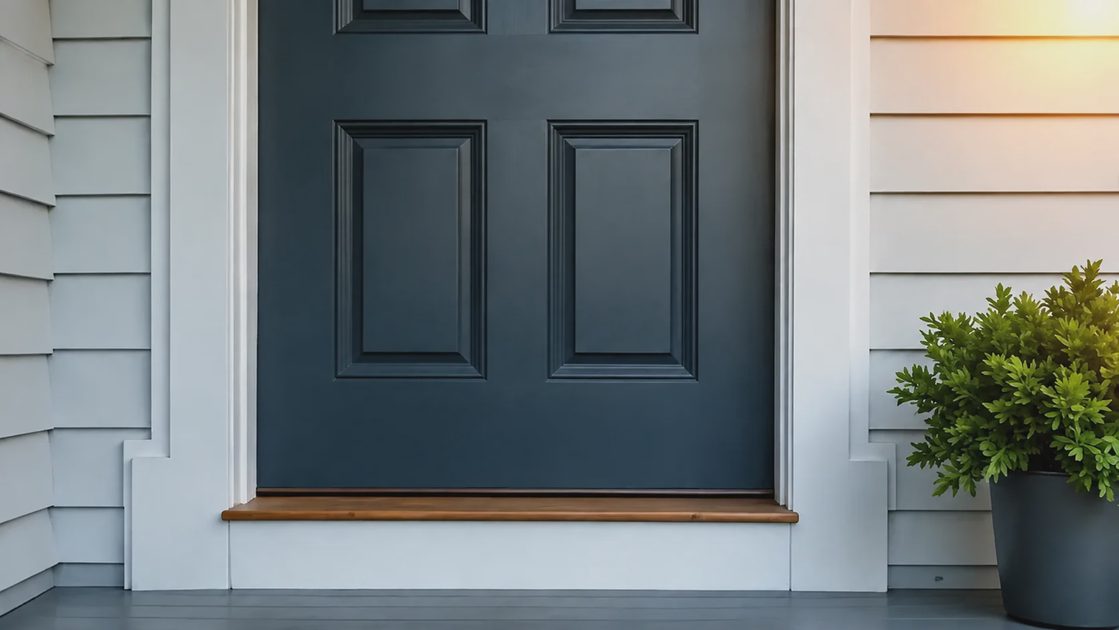
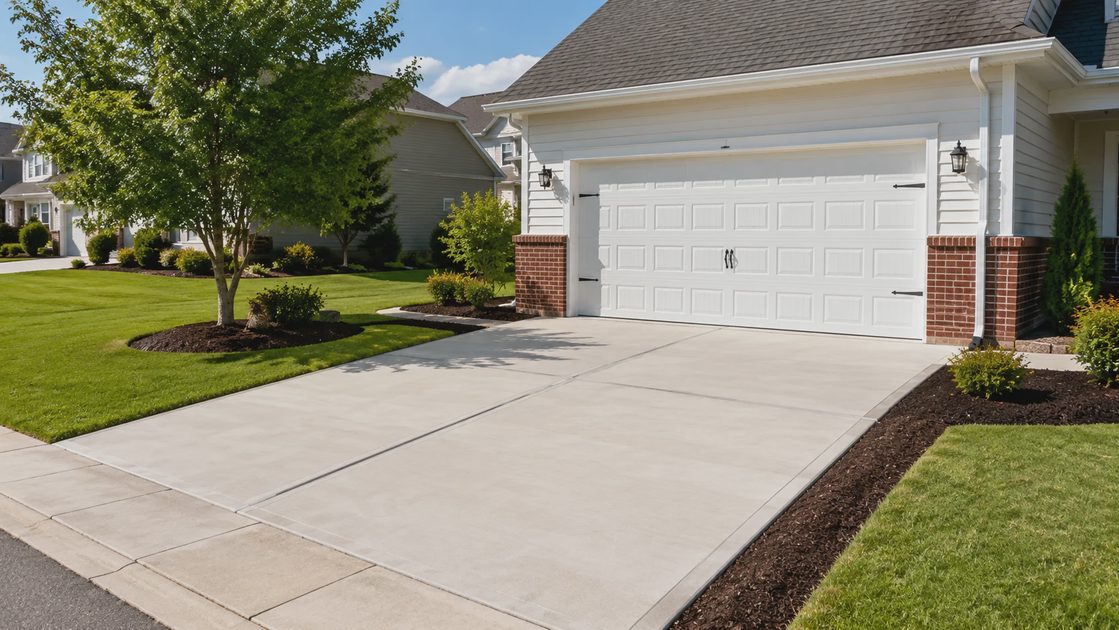
These three dominate the buyer's scan, so they get the priority. The entry door needs to close cleanly, latch solidly, and carry a fresh coat in a color that fits the trim. If the door is warped or drafty, replace it — a four- to nine-hundred-dollar door change reads as a much larger maintenance effort. The garage door is the largest single surface most buyers see from the street, and it's in view during every showing, so peeling paint or dents pull attention each time. A wash and touch-up handles most cases; a panel with real damage earns a replacement. For the driveway, patch the cracks before you pressure wash and seal — washing first just hides what the patch will have to fix anyway.
Details Buyers Notice on Approach
Porch lighting, house numbers, the mailbox, and window screens are small, but they sit right in the buyer's approach line. Faded numbers or a missing bulb say the details weren't managed. New numbers, a clean glass shade, a straight mailbox, and screens without holes cost a few hundred dollars combined and quietly tell the buyer that small things here were handled — the same assumption carries into the house. My wife Lauren calls the mailbox "the handshake of the house," and she's right.
Gutters and Landscaping: The Neglect Tell
Visible gutter debris and sprouts growing out of gutters are the strongest "nobody lived here" signal on the market, because they imply water that sat and collected. Clear them, flush the downspouts, and fix any sagging. Out front, the beds do the same job as the frame on a picture: edge the lawn, lay fresh mulch, and trim anything that touches the siding. When the question of what to fix before listing a home comes up, gutters and the front edge always make my list before interior cosmetics. The siding itself is part of the same conversation — siding replacement before selling is only worth the money if the current surface is damaged enough to invite doubt.
The Cost-Signal Logic Behind a $500 Budget
The question I get from sellers isn't whether these fixes work — it's whether small money matters when the house needs bigger work. It does, and it matters first. A 5,000 interior change changes only one room. Both matter, but they matter in a specific order.
Think in numbers. A kitchen refresh runs 15,000 in Charlotte and is invisible from the street. The same budget category — one focused exterior weekend — runs roughly $500 in materials if you do the labor, and it shapes the first offer because it shapes the first impression. Buyers don't price the driveway patch; they price what it implies about the house behind it.
Three rules I give every seller:
Fix what buyers see first, not what you see first.
If a fix reads as maintenance, it's signal. If it reads as decoration, it's taste — and taste is subjective.
Spend where the buyer spends their first fifteen seconds, not where they'll spend fifteen minutes.
And in the same way siding replacement before selling converts an aging facade into a neutral, trustworthy surface, a five-hundred-dollar detail pass converts a skeptical buyer into a hopeful one. The dollar value isn't in the materials. It's in the assumption those materials create.
What to Do Yourself and What to Hand to a Contractor
Most of this checklist is weekend work, and knowing the split saves money without cutting corners. When sellers ask what to fix before listing a home, I point here first: the line between DIY and hired work is simple — if a mistake means water intrusion, an injury, or a visible mismatch, hire it out. Noah, our eleven-year-old, runs the pressure washer under supervision — that's a job that rewards a second pair of hands.
Here's the split I recommend, with the reason behind each call.
Task | DIY or Contract Out | Why |
|---|---|---|
Repaint the entry door, swap house numbers, replace the mailbox | DIY | Low risk, immediate payoff |
Pressure wash and seal the driveway; edge and mulch the beds | DIY with a rental or a small crew | Labor is the cost; materials are cheap |
Garage door springs and cables | Contract out | High tension; a real injury risk |
Siding repair or replacement; window reglazing; gutter work at height | Contract out | Water intrusion and roof-line safety |
Matching a siding repair to the existing profile | Contract out | A poor match reads worse than the wear it covers |
Two cautions I repeat to every Charlotte client. First, don't paint over rot — buyers and inspectors both find it, and a fresh coat over damaged siding reads as a cover-up, which is the worst version of a renovation signal. Second, match your repairs: same siding profile, same trim color, same caulk line. A poorly matched siding patch looks worse than the wear it was covering. The goal isn't a magazine facade; it's a facade with nothing to question. That's the anti-waste, not anti-renovation, position I take on every pre-sale project: spend on visible, structural signals, and skip the decoration that only impresses friends at a barbecue.
If this were my listing next month, I'd start with the door, the garage door, and the gutters, and I'd spend the remaining budget on the front edge. The rest of the house can be renovated later — the exterior is the one place where a buyer's assumption forms before they've seen a single room. Don't renovate for applause. Renovate for the next offer.