The worst floor problem in a house is rarely the ugliest floor. It's the floor that sits in the path of daily life — where boots land, groceries drop, and kids walk straight through — and it quietly decides how every buyer feels about the whole home. When sellers ask me about renovations before selling a house, I don't start with the kitchen countertop. I start with the traffic line, because a floor that can't take real use will look bad in photos, feel bad underfoot at showings, and cost you buyer confidence before anyone even opens a cabinet.
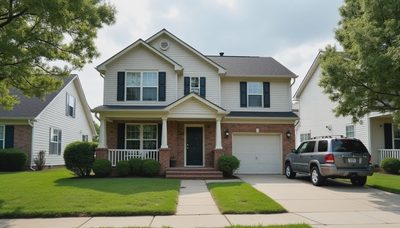
I met the Hodges family in the north Charlotte suburbs through a pre-listing consultation. Their house was a well-kept 1990s brick colonial, priced sensibly for the neighborhood, and they had a modest budget set aside for updates. What they didn't have was a plan for the one spot that had been wearing out for ten years: the narrow mudroom that feeds straight into the kitchen.
Here's the story of how we solved that mudroom-to-kitchen traffic problem with one flooring choice — and why the same logic applies to almost any home preparing for a sale.
The Problem: A Mudroom That Looked Worse Every Spring
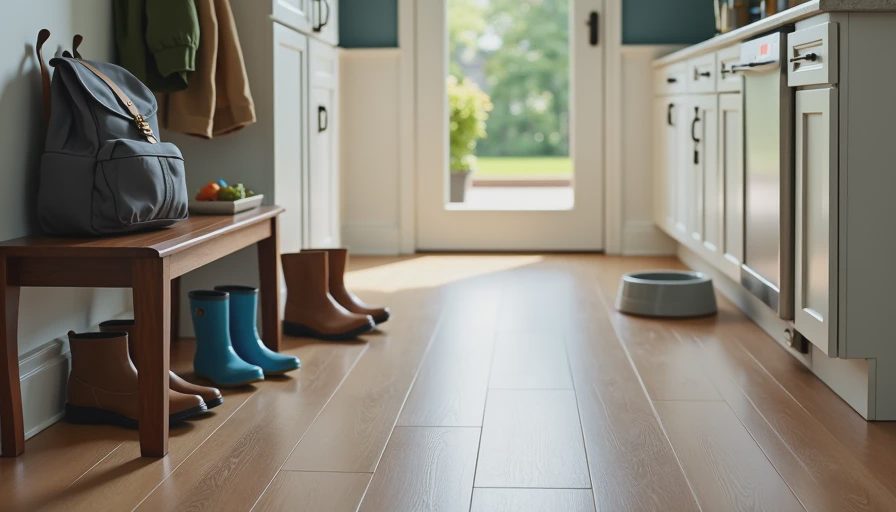
The Hodges' mudroom was a five-foot-wide pass-through with a bench, a row of hooks, and a door to the side yard where the kids and the dog came in. Every weekday between September and April, it took the full impact of wet shoes, school backpacks, groceries, and a golden retriever named Waffle. The original carpet was long gone. What remained was a stained vinyl floor with a torn seam at the door threshold, and the subfloor beneath it had begun to cup from moisture.
Here's what most sellers miss: buyers don't walk through a house the way the owners do. A homeowner ignores a tired mudroom floor because they've stopped seeing it. A buyer sees it on day one, and they read it as a signal — if the highest-traffic floor in the house is damaged, what else has been allowed to slide? That question, once planted, gets answered in the buyer's imagination, not in your favor.
Why Traffic Floors Matter More Than Showcase Floors
There's a difference between a floor you display and a floor you live on. Living-room hardwood that looks great in the listing photos is a showcase floor. The mudroom-to-kitchen path is a workhorse floor — it has to hold up to water, dirt, and weight while still looking clean in a three-second glance during a showing.
When we looked at the Hodges' options, I laid out three candidates with realistic numbers:
Flooring Option | Installed Cost (approx.) | Durability in Wet Traffic | Maintenance Effort | Resale Signal |
|---|---|---|---|---|
Luxury vinyl plank (LVP), mid-grade | 6.50/sq ft | High — waterproof core | Low: mop and go | Reads as practical, low-risk |
Ceramic or porcelain tile | 14/sq ft | High, but grout needs care | Medium: grout lines collect dirt | Reads as upgraded, but colder |
Sheet vinyl (budget) | 4/sq ft | Low-medium — seams can lift | Low | Can read as a patch, not a fix |
My recommendation was clear: mid-grade luxury vinyl plank, waterproof core, with a subtle wood-look finish that bridged the mudroom and the kitchen floor beyond it. The tile was arguably "nicer," but it cost twice as much, introduced a grout-cleaning chore, and changed the floor level — which meant a threshold transition that would be a visible seam. The budget sheet vinyl was tempting at the price, but it repeated the exact mistake that had created the problem in the first place.

The Install: What the Hodges Actually Did
The family went with the LVP, and the install took one long weekend with a local floor crew I recommended. We did three things that kept the job simple and the cost predictable.
Replaced the damaged subfloor section first. The cupped area under the old vinyl had to go. Skipping this step would have meant the new floor failed within a year, and a warranty claim is not the kind of conversation you want happening while your house is on the market.
Ran the planks in the same direction as the kitchen floor. This made the two spaces read as one continuous surface from the entry, which is exactly what buyers like to see — no visual stop-and-start.
Used a matching transition strip at the kitchen edge. A clean, low-profile transition beats a mismatched piece of metal every time.
The total bill came to roughly $1,300 for the mudroom area — subfloor patch, material, and labor included. That number matters because it sits comfortably under the threshold where buyers start to discount a house for visible wear, and it produced a visible change in every single photo taken after.
Why This Choice Worked for a Pre-Sale Timeline
The Hodges were listing in about ten weeks, which put them squarely in the "fix what buyers notice first" window. Luxury vinyl plank is one of the few pre-sale flooring moves that works on a short timeline: it installs fast, needs no curing time, and looks finished the same day it goes down. Carpet can take a couple of days plus stretching; tile needs time for mortar and grout to set; LVP is walkable immediately.
That speed also removes a common seller fear: the idea that any flooring work means moving everything out of the room for a week. The mudroom was back in service by Monday morning, which kept the family's routine intact and kept the dog from staging a mutiny.
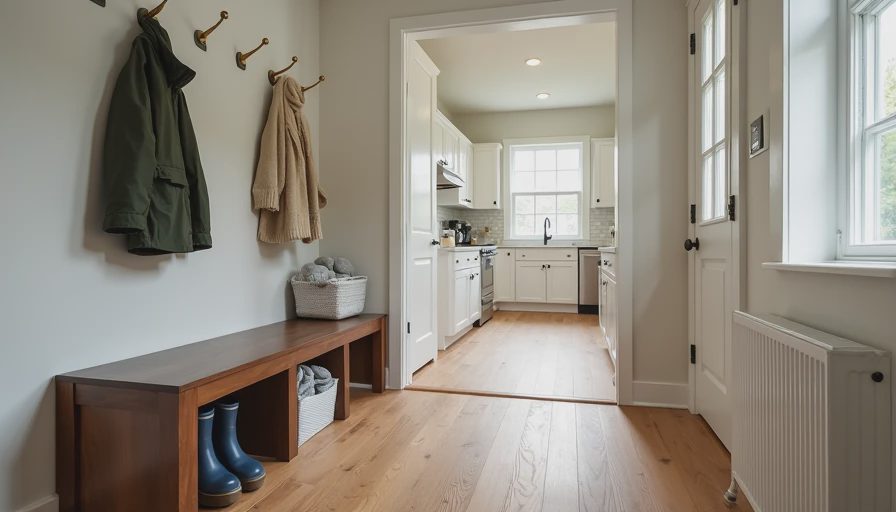
The Buyer's View: What Changed at Showings
Here's the part I tell every seller who hesitates on a workhorse floor. After the install, the Hodges' agent reported a noticeable shift in showing feedback. The mudroom went from "needs updating" notes to being a room buyers simply walked through — and in real estate terms, a room that buyers stop complaining about is a room that stops costing you money.
The kitchen, which had not changed at all, suddenly photographed better. That's the spillover effect: when the transition zone between the door and the kitchen looks clean and current, the kitchen itself reads as better maintained. Buyers string together small signals into a story, and the story was now "this family kept up with things."
Three Rules for Any Pre-Sale Floor in a High-Traffic Line
If you take nothing else from the Hodges' story, take these three rules, which I apply to every listing I advise on:
Waterproof beats pretty in a wet line. Any floor between an exterior door and the kitchen should handle moisture without drama. That's the floor buyers will trust.
Match the adjacent room. A floor that visually continues into the kitchen makes the whole main level feel larger and more cared for.
Spend to remove the complaint, not to add the wow. The goal of pre-sale flooring is to eliminate the negative note, not to win a design award. The Hodges didn't need the tile; they needed the problem gone.
The Budget Logic: What This Cost vs. What It Saved
Let's put real numbers on this. The Hodges spent about 2,000 to $4,000 on a home in that price range, because buyers mentally price the fix at replacement cost plus the hassle of doing it themselves.
That's the arithmetic of pre-sale work: a 2,000–$4,000 discount, and it removes the single most common negotiation hook in a high-traffic home. When sellers ask me what to fix before listing a home, floors in the traffic line are always on the short list, because they're cheap relative to the discount they prevent.
I'll be honest about the limits, too. This was not a renovation that added appraised value dollar-for-dollar. It was damage control with a side benefit: the mudroom now reads as intentional, the kitchen reads as supported, and the house shows as a house that was lived in carefully. That's the quiet win, and it's the one that gets offers accepted closer to asking.
What I'd Tell a Seller Facing the Same Problem
If this were my own listing next month, I'd make the same call the Hodges made — but I'd check two things first. One, confirm the subfloor is dry and solid before any new material goes down; a floor is only as honest as what's under it. Two, get the new floor in early enough that it's not the last thing happening before photos, because fresh flooring needs a few days of real living on it before it photographs naturally.
And if you're weighing whether the mudroom is worth touching at all, remember what the buyer is actually doing. They're not comparing your mudroom to a magazine. They're comparing it to the other houses they've seen that week, and they're looking for a reason to say yes or a reason to negotiate. Don't give them the negotiation hook. Give them a clean, quiet floor they can walk over without thinking — that's the whole job. Don't renovate for applause. Renovate for the next offer.