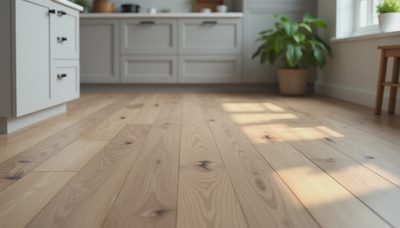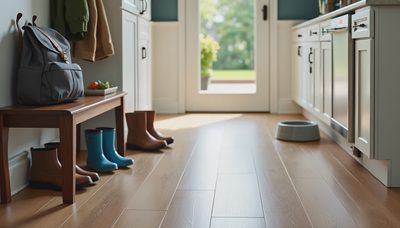
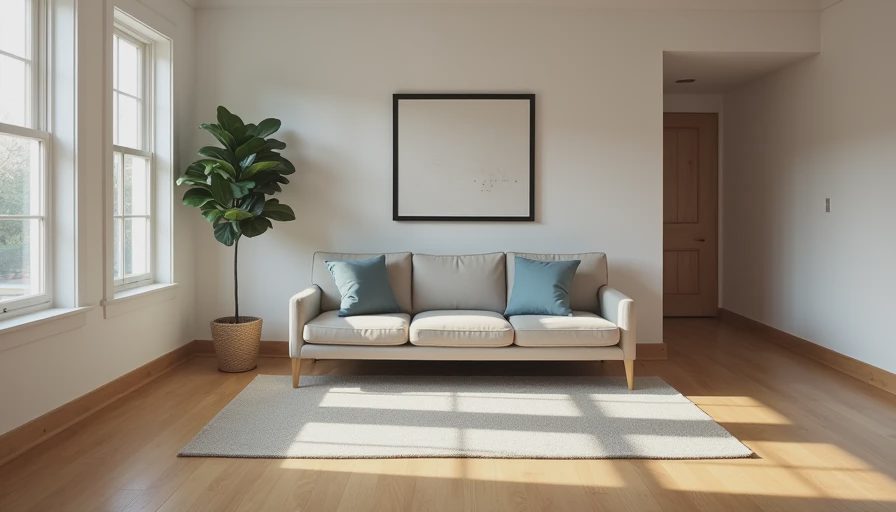
Buyers judge a house by its floor faster than by almost any other surface in the room. When I sit down with sellers in Charlotte, most want to talk kitchens and bathrooms first, which is why the question of the best flooring before selling a house usually comes up later than it should. The floor is the largest continuous visual surface in the home, and it's the first thing a buyer registers when the agent opens the front door.
I'm Ryan Caldwell. For eight years I managed residential renovation projects around Charlotte — scheduling crews, reviewing contractor bids, and writing scopes of work. Today I work as a pre-sale renovation advisor, helping sellers pick the upgrades that earn their money back and skip the ones that only earn compliments. I'm anti-waste, not anti-renovation. If a project won't help the sale, I'll tell you that in the first meeting.
Flooring is where that bias shows up first. It isn't glamorous, and nobody photographs a stretch of clean hardwood the way they photograph a marble backsplash. But walk a Charlotte listing the way a buyer does — driveway, foyer, living room, hall — and the floor is the one constant. Walls and fixtures rotate in and out of attention. The floor never leaves it.
Why Flooring Reads First When Buyers Walk In
The buyer's eye lands on the ground before it reaches the cabinets, and that's partly practical: we look down when we enter an unfamiliar house, checking the path ahead and noticing the surface underfoot. Across a full tour, the floor holds a buyer's attention longer than any single wall, countertop, or appliance. On paper that sounds obvious. In practice, sellers plan around kitchens and baths and leave the largest surface in the home for last.
Entry path matters, too. Most Charlotte houses open into a foyer or a sightline that runs the length of the main living area, so the first wide view a buyer gets — the one that sets the tone for everything after it — is mostly floor. If that view is carpet with a worn traffic path, the first impression is fixed before the buyer reaches the first updated light switch. You can't recover a first impression later in the tour.
Flooring also carries weight in the resale math. What's underfoot shapes what buyers assume about the roof, the mechanicals, and the walls they can't see. A clean, consistent floor signals a maintained house. A worn or mixed one signals deferred spending, even when every system in the home is new.
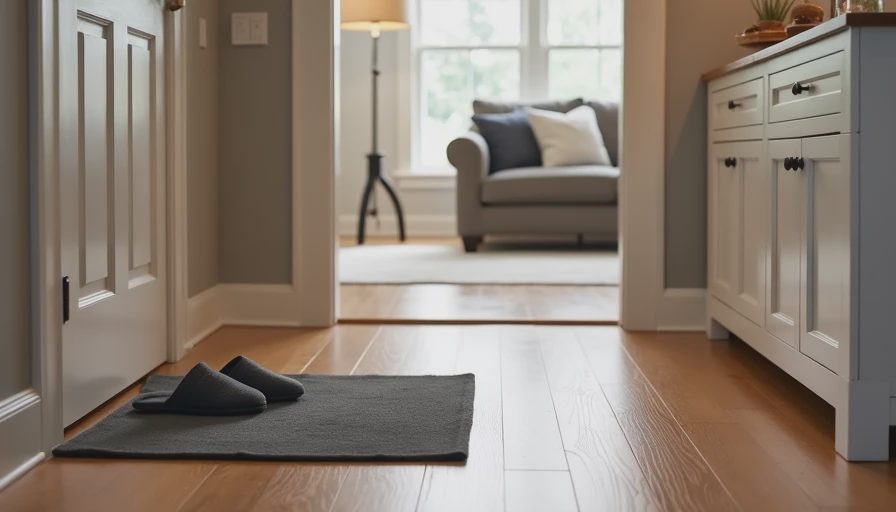
Old Carpet: Three Deductions Buyers Make Before They Speak
Old carpet is the most expensive surface you can leave in place when the goal is a fast sale, and the cost isn't the carpet itself. Buyers make three quiet deductions the moment they see it:
Smell association. Even clean carpet reads as "held odor" in a buyer's mind. The association is instant — buyers assume pet and cooking smells live in the fibers, whether or not they do.
Wear equals maintenance record. A flattened traffic path, frayed seams, or faded corners tell buyers the owner deferred routine upkeep, and buyers generalize from the floor to the furnace and the roof.
Buyer budgets to replace it. The moment a buyer decides the carpet has to go, they subtract its replacement cost from their offer. You lose that number either way — as a deduction or as a credit.
Here's what surprises most sellers: buyers don't mentally rebate you for a worn floor; they deduct you. In the numbers I review with clients, that deduction is usually larger than the cost of fixing the floor in the first place. If a seller is weighing the best flooring before selling a house against a new kitchen countertop, I point to the square footage. Flooring covers far more surface than any countertop in the home, and it's read continuously from room to room.
The Continuity Rule: One Material Story Across the House
Flooring works as one long continuous statement, which means it also fails as one. A house that reads as carpet upstairs, hardwood below, tile in the entry, and vinyl in the hall forces buyers to re-evaluate at every threshold. Each transition is a small reason to hesitate, and hesitation collects.
Consistency beats variety on the resale floor. Buyers aren't shopping for a materials catalog; they're shopping for a house that already holds together. When rooms share a common floor language — same species, same tone, same plank size — the house feels larger, calmer, and less expensive to maintain. When they don't, buyers start counting rooms they'd want to redo, and that list shows up in the offer.
This is one place where value add remodeling before listing pays off quietly. Aligning floors across the main level — or at least between adjoining rooms — costs less than most sellers expect and removes an entire category of buyer questions.
Two caveats from the field. Don't try to match an existing floor exactly; aim for a close, harmonious tone instead. And avoid running one material at the top of the stairs and a different one at the bottom — that transition reads badly in person and worse in photos.
When Flooring Is the Priority (and When It Can Wait)
Not every house needs new flooring before it lists. I put floors at the top of the list when specific conditions are present:
When Flooring Goes First
Pets have lived on the carpet for years, with claw marks or visible staining
Heavy wear in high-traffic areas, including a flattened path through the living room
Inconsistent materials between levels, or mismatched patches within a single room
Carpet in kitchens or bathrooms, which reads as dated even when clean
Any floor that photographs dark, blotchy, or streaked under standard lighting
When these conditions exist, flooring is the first dollar I'd spend, because it drives the photos, the first impression, and the offer range at once. I frame the decision the way I frame my own: if this were my listing next month, where would I spend first? In most of these houses, the answer is the floor.
When You Can Wait
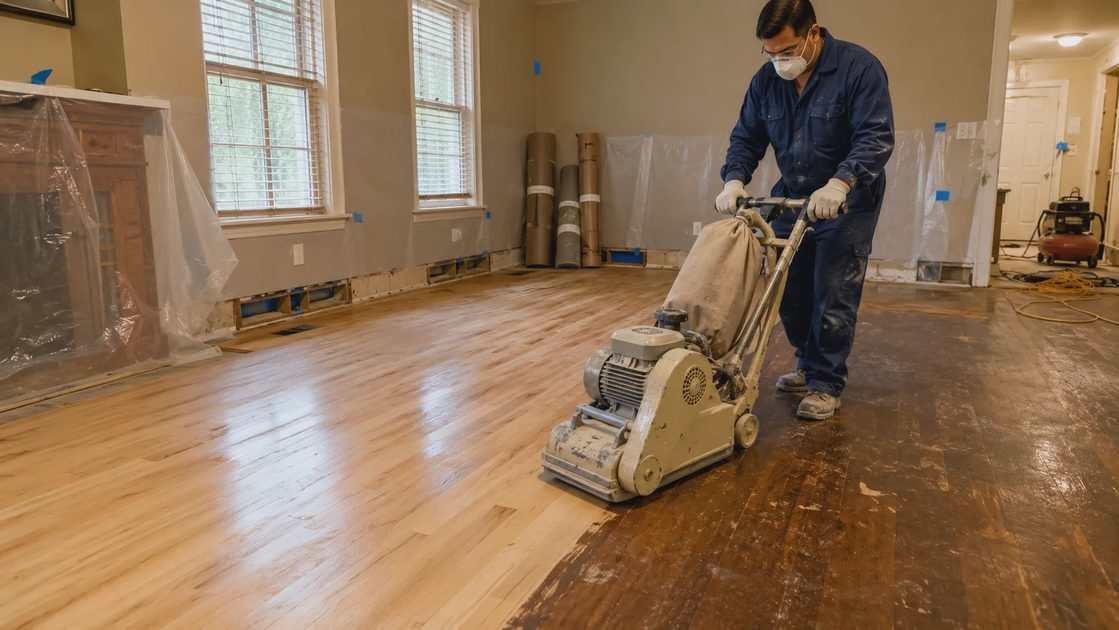
Hardwood in good structural shape is a different conversation. If the hardwood is sound with only surface scratches and a dull finish, refinish instead of replace. Refinishing typically runs 5.00 per square foot, stain and finish included, versus 14 per square foot for new prefinished hardwood installed — and refinishing returns the floor to showroom condition in about a week, which keeps a listing on schedule.
Here's how I sort the common floor conditions I see on Charlotte listings:
Floor condition | What buyers assume | Lowest-risk move |
|---|---|---|
Carpet with pet wear or stains | Deferred maintenance | Replace with LVP or engineered hardwood |
Hardwood with surface scratches | Normal use, could look new | Refinish with stain and satin finish |
Hardwood with deep gouges or water damage | Structural trouble | Replace affected planks or the room |
Cracked tile or failing grout | Moisture or structural issues | Repair grout and replace cracked tiles |
Mixed materials at level transitions | Patchwork, unfinished | Align or blend tones between rooms |
In short, the best flooring before selling a house is whatever removes buyer doubts in one clean read — a continuous, well-maintained surface that doesn't ask for money. That's the test I apply before I recommend any upgrade, and it's the test I want sellers to apply to every bid that lands on the kitchen table. Don't renovate for applause. Renovate for the next offer.
Flooring Runs the Listing Photos
Photos matter more than they did a decade ago, and flooring is the backbone of nearly every listing shot. In a typical wide shot of a living room, the floor fills the bottom third to half of the frame — more in angled compositions. A clean, continuous floor carries the image. A busy or worn one becomes the distraction reviewers notice first. In the value add remodeling before listing plans I review, flooring is usually the quiet center, because it shows up in every photo and every room.
Three practical notes for photography day:
Clean every edge and baseboard line; detail shots of floors get posted even when you don't plan them
Brighten the room before shooting; floors photograph darker than they look in person
Remove area rugs that hide the floor, unless the rug is clearly staged for the shot
Flooring decisions made early also protect your listing timeline. Floors take days when scheduled properly — a real advantage over a kitchen remodel, which can push a listing back by a month. In a competitive Charlotte spring market, that timing difference can separate a crowded first open house from a quiet one.
I've watched sellers spend generously on a kitchen and lose momentum on the floor beneath it, and I've watched a modest floor investment firm up an offer range that surprise remodels would have missed. When Lauren and I run the same question at our own house — and yes, Noah and Sophia vote for the game room — the floor still wins the discussion. If this were my listing next month, the answer starts at the ground.